
Last updated November 15, 2026
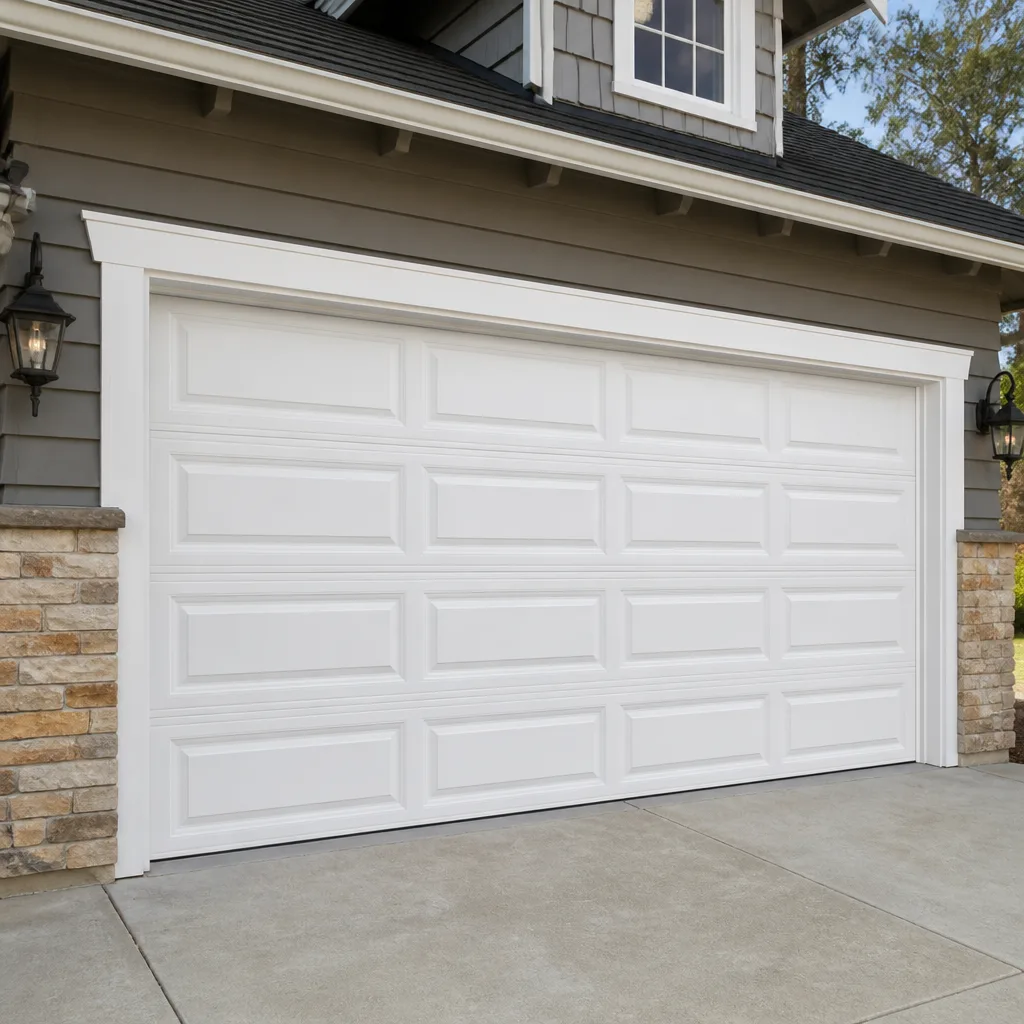 Raised-panel steel
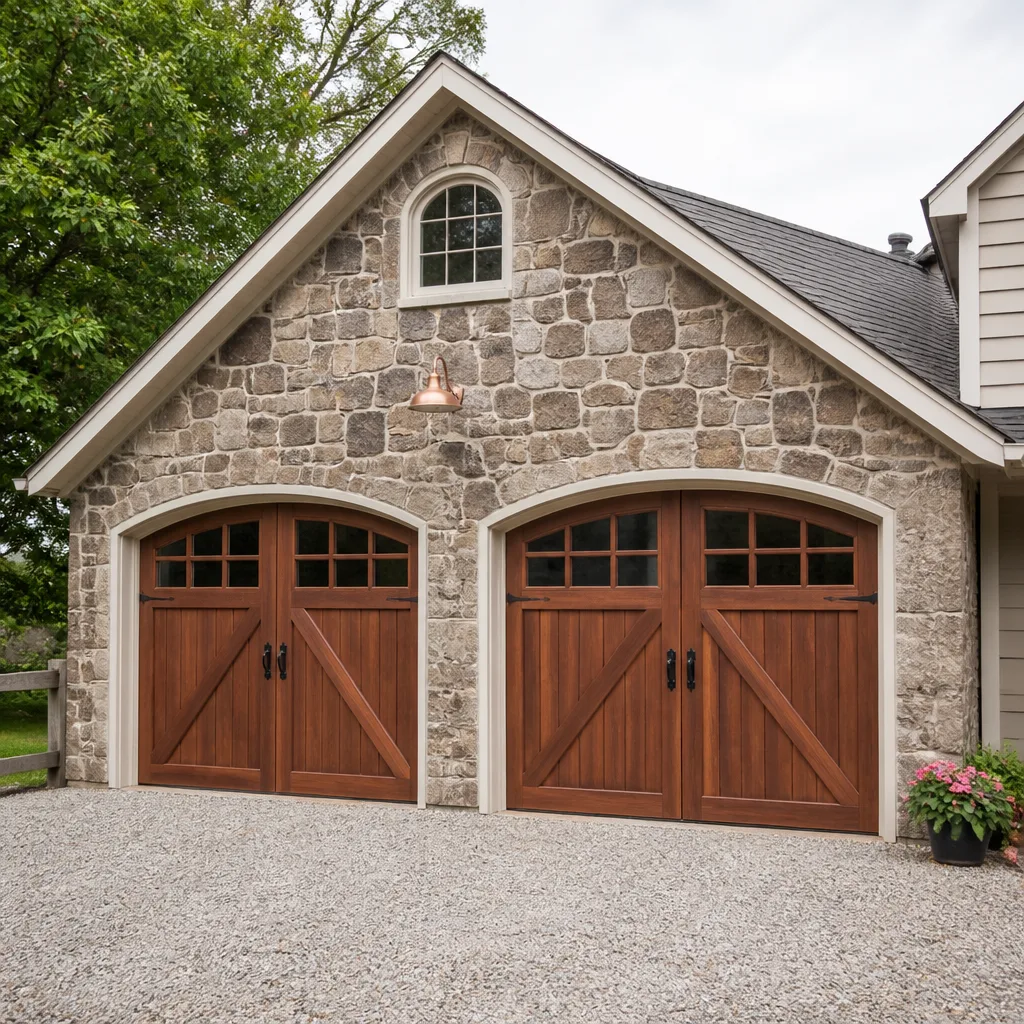 Carriage house
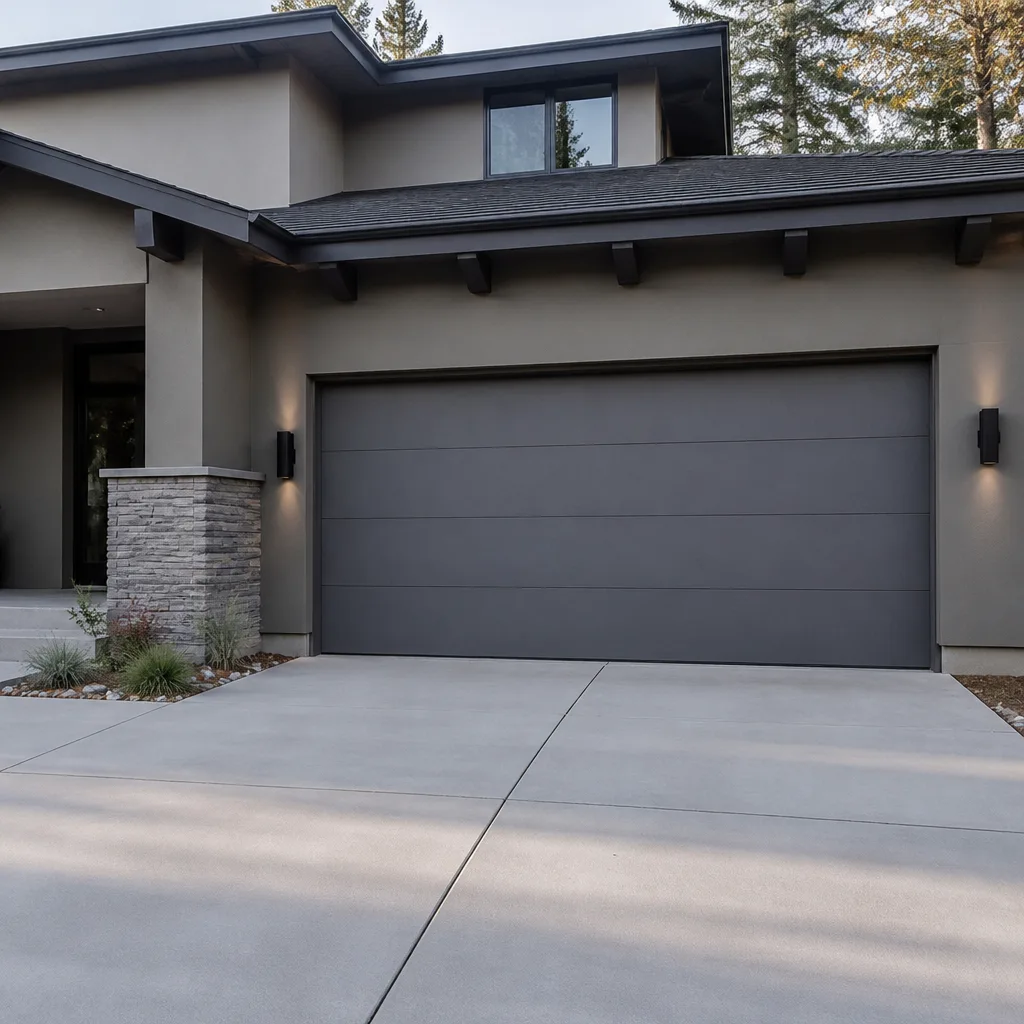 Modern flush
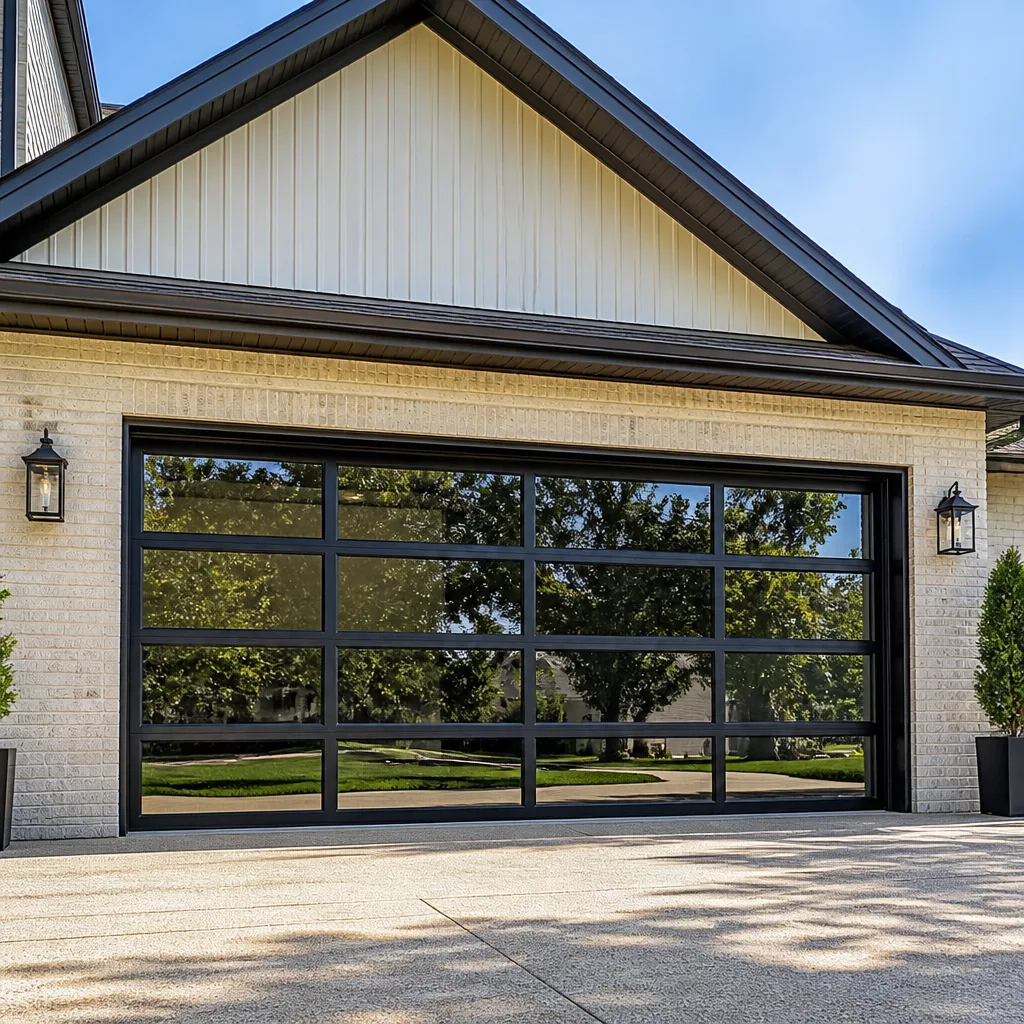 Full-view glass
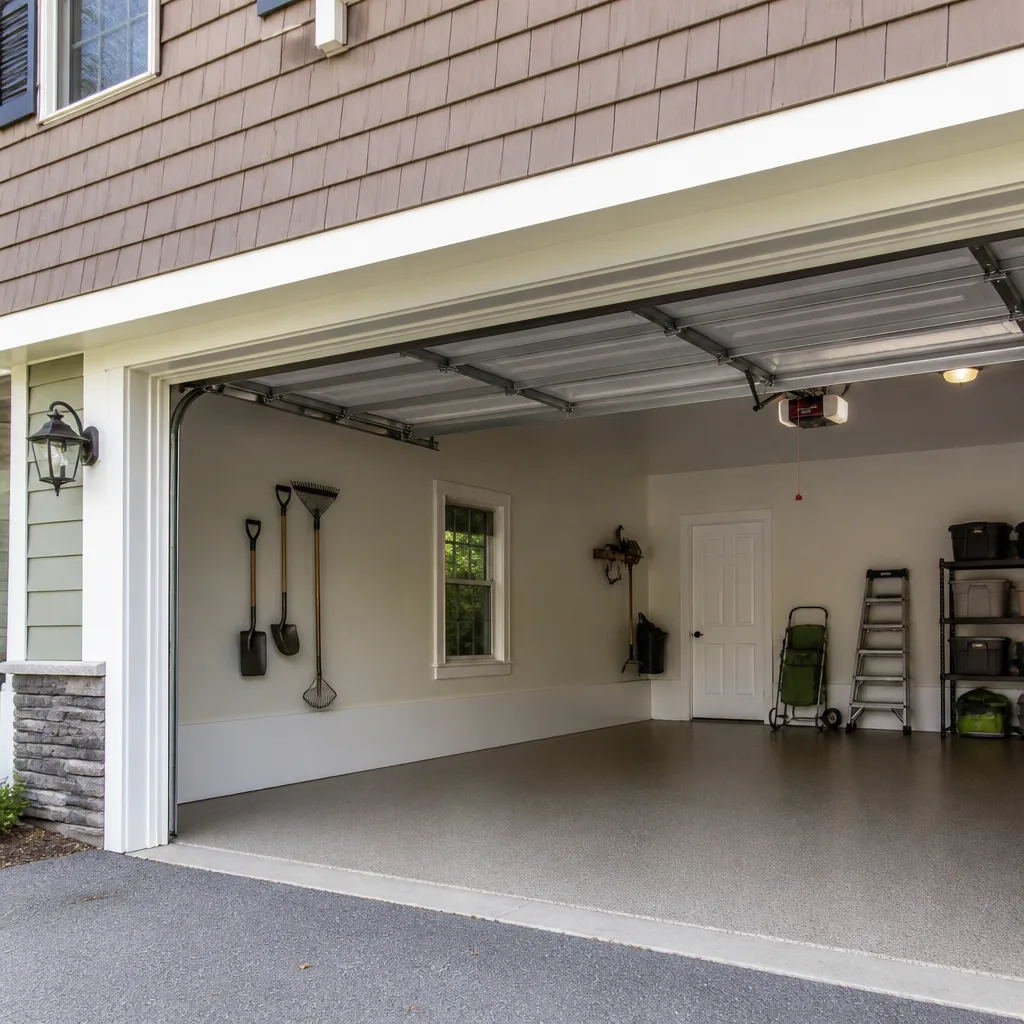 LiftMaster openers
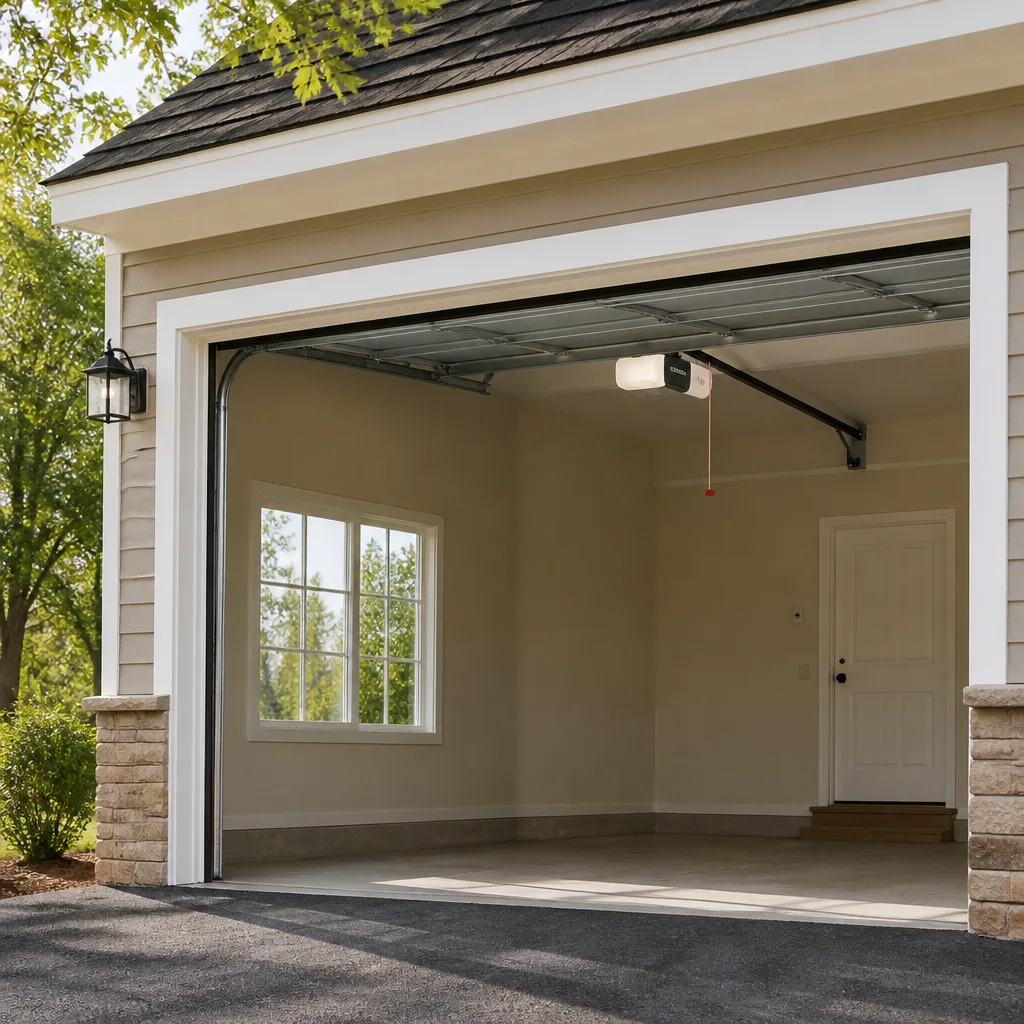 Chamberlain openers
Full 25-point door and opener safety check with every visit - springs, cables, rollers, tracks, and your LiftMaster or Chamberlain opener included
You get a price before we start. It does not change when the pro arrives.
Get your free estimateGarage Door Repair Maintenance Checklist for South Bend Homeowners
The number-one reason South Bend garage doors fail in January isn’t a broken spring. It’s a maintenance step that was skipped the previous October. We’ve seen the pattern often enough to expect it: the first hard freeze arrives, the door strains, the opener grinds, and the homeowner assumes the cold caused a sudden breakdown. What actually happened is that a dry hinge, a stiff seal, or a slack safety reversal went unnoticed through a mild fall and only announced itself when temperatures dropped below ten degrees. This guide sequences a maintenance checklist around the failure points that Indiana weather creates, not a recycled twelve-point list from a national chain. You’ll learn what’s safe to handle yourself, what needs a trained eye, and how to prepare a South Bend door for the cold months ahead.
Quick Answer
A garage door maintenance checklist for South Bend should cover lubrication with cold-rated grease, a fall weatherstripping audit, spring tension checks adjusted for heated versus unheated garages, an opener force-sensitivity test, and a hardware torque pass. Two items belong to a specialist every time: spring and cable work, and any adjustment to the tension or balance of the door itself. The rest is homeowner-level upkeep that prevents most cold-weather failures before they start.
Styles & brands we work with
- Raised-panel steel
- Carriage house
- Modern flush
- Full-view glass
- LiftMaster openers
- Chamberlain openers
Table of Contents
- Why fall maintenance matters more in South Bend than in milder climates
- The pre-winter lubrication protocol that actually works below freezing
- The fall weatherstripping audit: signs your bottom seal has lost contact
- How often should springs be checked? Detached versus attached garages
- The opener force-sensitivity test, and why winter makes it urgent
- The hardware and track pass: bolts, rollers, and balance
- What you can safely do yourself versus what needs a specialist
- Seasonal timing for a South Bend maintenance routine
Why fall maintenance matters more in South Bend than in milder climates
South Bend sits in a climate band where freeze-thaw cycles are routine through winter and where lake-effect snow brings repeated wet-then-frozen conditions to a door’s bottom seal, hinges, and tracks. A maintenance routine that works in a mild climate does not translate here. The failure points are different. Thermal contraction tightens metal tolerances overnight, and any play in a roller or hinge that goes unnoticed in October turns into a jump or a bind in January.
The fall window is when a South Bend homeowner has the best chance of catching small problems before they compound. A door that closes on a poor seal in October is working harder by November. The spring, the opener, and the panels all absorb that extra work. By the time the ice arrives, the weakest link in that chain fails first, and it is usually not the part the homeowner suspects.
Indiana homes also sit on a wide spread of garage configurations. A detached, unheated garage on the west side of South Bend experiences wider temperature swings than an attached, conditioned garage in a newer subdivision. The maintenance schedule should reflect which one you have. We address both configurations in the sections below.
The pre-winter lubrication protocol that actually works below freezing
Not all garage door lubricants perform the same in cold weather. This is the single most overlooked point in national maintenance checklists. A light household oil or a general-purpose spray that feels smooth at 60°F can thicken enough below 10°F to drag on rollers and hinges, which makes the opener work harder and stresses every moving part downstream. The goal for a South Bend door is a lubricant that stays fluid at low temperatures and won’t collect grit.
Here is the sequence we recommend in October, before the first freeze:
- Wipe down hinges, rollers, the torsion spring coils, and the track’s curved sections with a clean rag first. Lubricant on top of old grit makes a paste that binds in winter.
- Use a cold-rated garage door lubricant rated for low-temperature service on the hinges and roller bearings. A PTFE-based or lithium-complex product that stays soft below freezing is the right class. Read the label. If the can is rated only to 30°F, it’s the wrong product for a South Bend winter.
- Spray a light coat on the torsion spring coils. Do not apply heavy grease to springs. A thin film is enough to limit rust.
- Apply a small amount to the roller stems, not the roller wheels inside the track.
- Wipe down the opener’s rail or belt with a dry cloth. Never lubricate a belt-drive rail or a chain-drive rail with wet product unless the manufacturer specifies it. Refer to the manual for the exact brand you own. We work with LiftMaster, Chamberlain, Genie, and Craftsman openers routinely and the manufacturer’s recommendation varies by model.
- Cycle the door open and closed a few times and listen. A properly lubricated door should sound smoother, not quieter or louder in a way that suggests a new bind.
This protocol is safe for any homeowner to do. The one item to avoid entirely is spraying anything on the torsion spring while the door is under tension. Lubricate only when the door is fully closed and the spring is relaxed.
The fall weatherstripping audit: signs your bottom seal has lost contact
The bottom weather seal on a South Bend garage door takes more punishment than the same seal in a milder climate. Freeze-heave lifts concrete slabs slightly in winter and settles them in spring. Over a few seasons, the concrete under the door opening can shift just enough that a seal which once touched the floor evenly now touches only at the edges. The homeowner sees a door that “looks closed” but which is actually sealed only intermittently across its width.
Here are the signs we look for in a fall audit:
- Daylight under the door. On a sunny afternoon, close the door and look along the bottom from inside. Any light visible under the seal, especially in the middle or at one corner, means the seal is no longer making contact.
- A visible gap at one end. Uneven contact (one side sealing, the other open) usually points to a settled slab or a slightly out-of-level track, not just a worn seal.
- The seal is stiff, cracked, or flattened. A rubber or vinyl seal that has lost its flexibility won’t recover its shape in cold weather. Once it takes a set, it stays compressed.
- Water or snow blowing in. If you find snow accumulation inside the garage door threshold after a windy snow, the seal gap is wider than it looks.
- A wind whistle or draft. A draft at the bottom third of the door is often a seal issue rather than a panel issue.
Replacing a bottom seal is a homeowner-level job if the door has a standard retainer track that slides out and accepts a new seal. If the retainer is integrated into the panel or if the door is an older Clopay or Wayne Dalton model with a non-standard bottom extrusion, sourcing the correct replacement seal is worth a specialist call. We’ve also seen doors where the seal was replaced to solve a draft that was actually caused by a misaligned track. Fixing the wrong part wastes a season.
How often should springs be checked? Detached versus attached garages
Spring tension should be visually checked every fall and every spring in a South Bend home, with a closer inspection any time the door feels heavier than usual or a new noise appears. But the frequency that matters most depends on your garage configuration, and this is a distinction most checklists never make.
Detached, unheated garages
An unheated garage on the south side of South Bend can swing from 10°F in January to 95°F in July, with no conditioning to soften the extremes. Steel torsion springs lose tension faster across that swing because the metal expands and contracts more dramatically. A visual check twice a year is the right minimum. Also test the door’s balance more often. Disconnect the opener and lift the door halfway. It should stay in place with a light hold. If it drops or rises on its own, spring tension has drifted.
Attached, conditioned garages
An attached garage sharing a wall with a conditioned house stays closer to 40-70°F year-round. Spring tension drifts more slowly, and a once-a-year visual check is usually adequate. But there’s a caveat: even in a conditioned garage, the door itself is exposed to outside air at the perimeter, so the bottom seal and the door’s own panel joints still see cold. The spring is not the part that fails. The seal and the hinges are.
What a spring check looks like
- With the door fully closed, look at the torsion spring (the horizontal coil above the door). A visible gap in the coil, a rusty streak, or a spring that looks unevenly wound are warning signs.
- Do not touch, adjust, or attempt to wind a spring yourself. The spring is under high tension, and a released torsion spring can cause serious injury.
- Listen for a bang from the garage when the door opens or closes. That sound is often a spring breaking.
- If the door feels unusually heavy when you lift it manually (opener disconnected), stop and call a technician. Heavy lift is the most reliable indicator that tension is gone.
Spring replacement and tension adjustment require proper winding bars and training. This is a job for a specialist every time. An experienced technician can diagnose a spring problem and replace it correctly the first visit without trial and error. Our technicians have up to 15 years of experience on spring and cable work. For the full range of service, see our garage door repair page.
The opener force-sensitivity test, and why winter makes it urgent
The force-sensitivity setting on your opener is the amount of pressure the motor applies before it stops and reverses. In winter, a South Bend door weighs more than it did in summer. Ice builds up in the track channel. The bottom seal freezes to the slab. The door panels swell slightly in freezing conditions, and the hinges stiffen. If the opener’s force setting was adjusted in July to a snug value, the same setting will trip the safety reversal in January, or worse, will not reverse at all when it should.
Testing the force sensitivity is a homeowner-level task. Here’s a numbered sequence:
- Close the door fully.
- Place a 2×4 on the floor in the center of the door’s path, no more than 2 inches thick. Some openers specify a smaller test object. Check your owner’s manual. LiftMaster and Chamberlain openers, for example, use a specific reversal test that’s documented in the manual. Genie and Craftsman models vary by era.
- Press the close button. The door should contact the test object and reverse without delay.
- If the door does not reverse or reverses late, the force setting is too high. Consult the manual for the adjustment procedure. Most openers have a small screw or a digital menu on the motor housing.
- Test the safety eyes (the two small sensors near the floor) separately. Wave an object in front of them while the door is closing. If it doesn’t reverse, the sensors need alignment or replacement.
- Repeat the test every fall, and again in January after the first hard freeze, because cold increases door weight.
This is the test most homeowners skip. It’s also the one that matters most in South Bend, where a cold-thickened door can trip a borderline force setting in ways that a mild-climate owner would never encounter. If the opener is old or the sensors won’t respond, garage door opener repair is a standalone service we handle for this exact problem.
The hardware and track pass: bolts, rollers, and balance
The final homeowner-level pass in a South Bend fall checklist is a hardware inspection. Nothing on this list is complicated, but each item prevents a small problem from turning into a winter call.
- Bolts and fasteners. Check every bolt holding the door panels, hinges, and brackets and confirm each is snug. Do not overtighten. A bolt that will not tighten points to a stripped hole or a failing hinge.
- Rollers. Nylon rollers wear more slowly than steel; steel rollers can develop flat spots. Look for play in the roller shaft and cracks in the roller itself. A roller that clicks when the door moves is on its way out.
- Tracks. Look for dents, bends, or a gap between the vertical track and the door. Vertical tracks should be plumb along their full length. A bent track is a specialist fix. Don’t hammer it straight.
- Hinges. Listen for squeaks from specific hinged joints. Lubricate with the cold-rated product from the previous section and see if the noise goes. A hinge that still squeaks or binds after lubrication may be worn.
- Balance test. Disconnect the opener, lift the door halfway, and let it go. A balanced door stays roughly in place. A door that slides down hard or rises on its own is out of balance, and that’s a spring tension problem, not a hinge problem.
- Panels. Look for cracks, rust around the bottom edge, or delamination on insulated doors. Rust along the bottom edge is common in South Bend after a few winters of road salt tracked in from the driveway.
If the door was installed by a manufacturer whose hardware you don’t recognize, the model plate on the door edge usually tells you what you’re working with. Clopay, Amarr, Wayne Dalton, and Raynor each use different hinge and roller geometry. Knowing the brand shortens the sourcing step when a part actually fails. We work on the brand you already have.
What you can safely do yourself versus what needs a specialist
Most of the checklist above is homeowner-safe. Two items are not. Knowing which is which is the difference between taking care of your door and taking a serious risk.
Safe for a homeowner
- Lubricating hinges, rollers, and the torsion spring coils with cold-rated product
- Running the opener force and safety eye test
- Checking bolts and fasteners for snugness
- Inspecting the bottom seal for daylight, cracks, and gap
- Replacing a standard slide-in bottom seal when the retainer accepts one
- Visual inspection of springs, tracks, and panels for obvious damage
- Cleaning the tracks with a dry cloth and picking out debris
Specialist only, every time
- Spring and cable work. Torsion and extension springs are under extreme tension and can release with enough force to cause injury. Cables are equally dangerous. This is not a job for a homeowner even with the right tools. A trained technician has the correct winding bars and knows how to work safely with the spring under load.
- Opener tension adjustment or replacement. Setting the force sensitivity is homeowner-level. Adjusting the internal tension of the opener rail, replacing the gear assembly, or swapping the opener entirely is not. Once you open the motor housing, you’re outside the DIY zone.
If a door needs any adjustment to its balance, tracks, or springs, call a specialist. The rest of the list is yours to run in an afternoon. Our technicians have up to 15 years of experience and can walk you through the line between the two lists over the phone.
Seasonal timing for a South Bend maintenance routine
A South Bend garage door gets the best protection from a maintenance routine that’s timed to the calendar, not run once and forgotten. Here’s the schedule we recommend:
- Mid-October: Full pre-winter pass. Lubricate with cold-rated product, run the force-sensitivity test, inspect the bottom seal, tighten bolts, check balance, and visually inspect springs. This is the single most important window.
- First hard freeze: Re-run the force test. Cold increases door weight, and the opener’s safety reversal needs verification again.
- Late January: A quick look at the tracks for ice buildup and a re-check of the bottom seal for freezing. Clear any ice with a plastic scraper, not metal.
- March thaw: Inspect the bottom seal again for new warping or loss of contact. The freeze-heave cycle is strongest in spring, and cracks that opened in January get worse as the ground shifts back.
- Mid-summer: Repeat the full lubrication pass and torque check. This catches wear from spring heat cycles before it becomes a fall problem.
Two of these windows (October and March) are the most important. If you remember only those two, you’ll prevent most of the cold-weather failures we see in South Bend homes.
Common Mistakes to Avoid
- Lubricating with general-purpose household oil. The mistake most homeowners make in October. That product thickens below freezing, drags on rollers, and stresses the opener. Use cold-rated lubricant.
- Adjusting the opener force setting in summer and forgetting it. A tight force setting that works in July will trip in January. Re-test after the first freeze.
- Tightening a worn hinge bolt harder instead of replacing the hinge. Overtightening strips the hole and requires a new hinge anyway. If it won’t stay snug, replace it.
- Replacing the bottom seal to fix a draft that is actually a bent track. South Bend freeze-heave sometimes bends a track out of plumb, and no seal will fix that. Diagnose first.
- Running the balance test with the opener connected. The opener masks door weight. A door that feels light with the opener connected may be heavy when disconnected. Test with the opener disconnected.
- Letting ice build up in the track and calling it a seal problem. Ice in the vertical track channel is common in South Bend after freezing rain. The fix is clearing the ice, not replacing parts.
- Working on springs with a screwdriver or pliers “just to see.” The most dangerous mistake of all. Springs are under extreme tension and can cause serious injury. Call a specialist.
See the difference
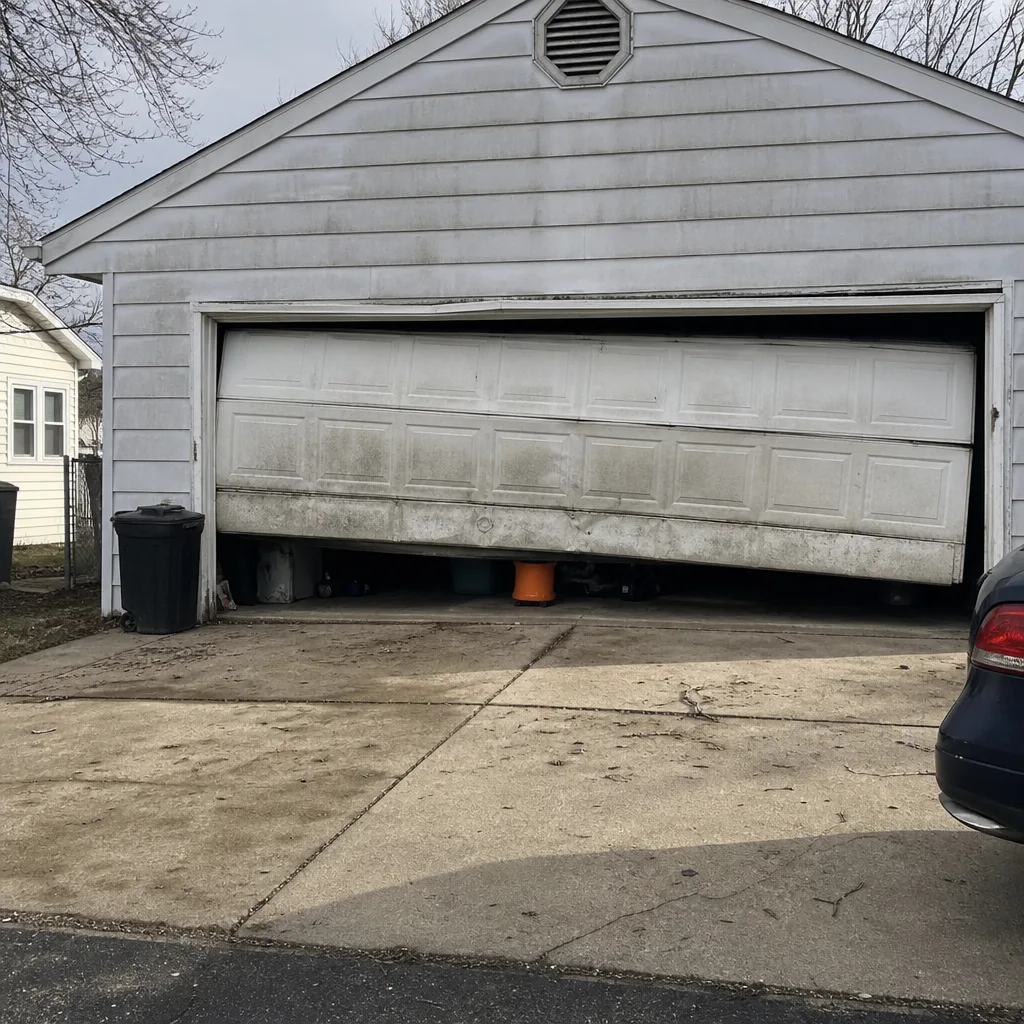 Before
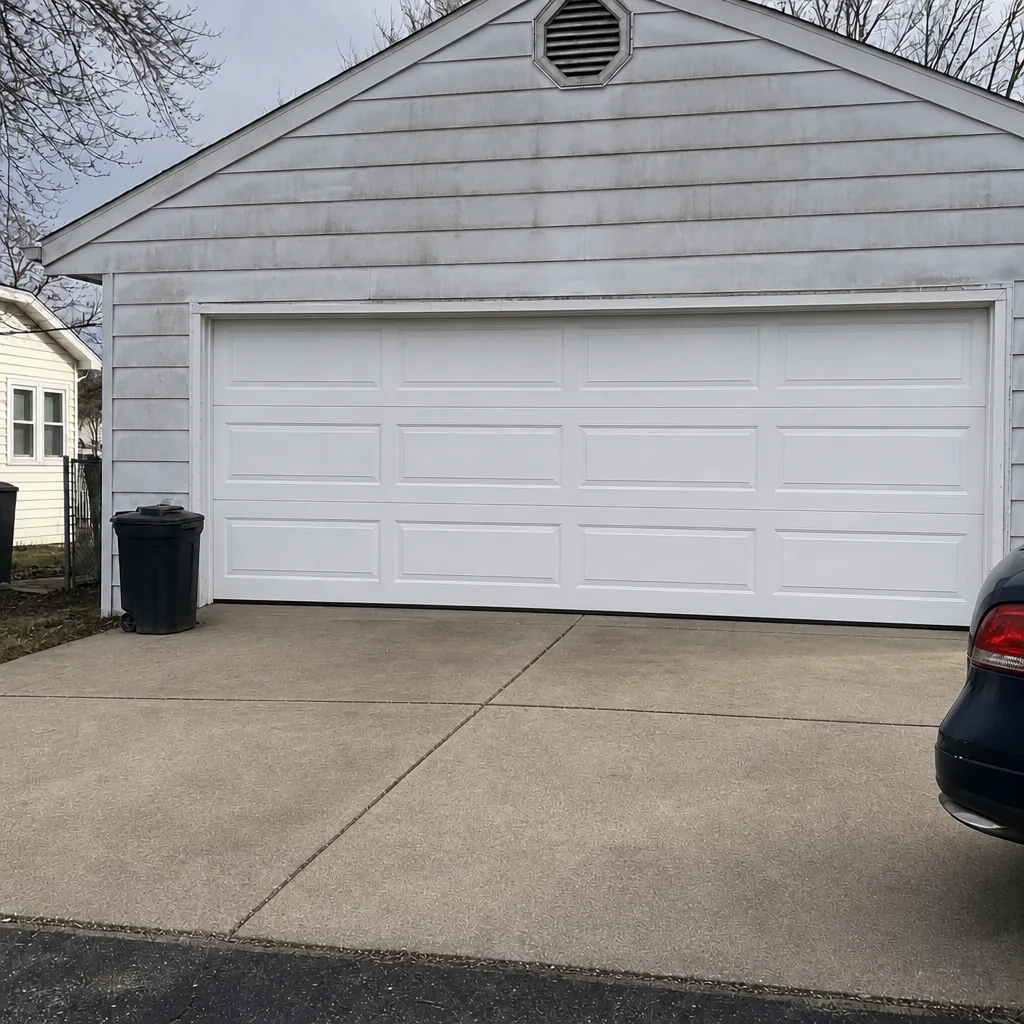 After
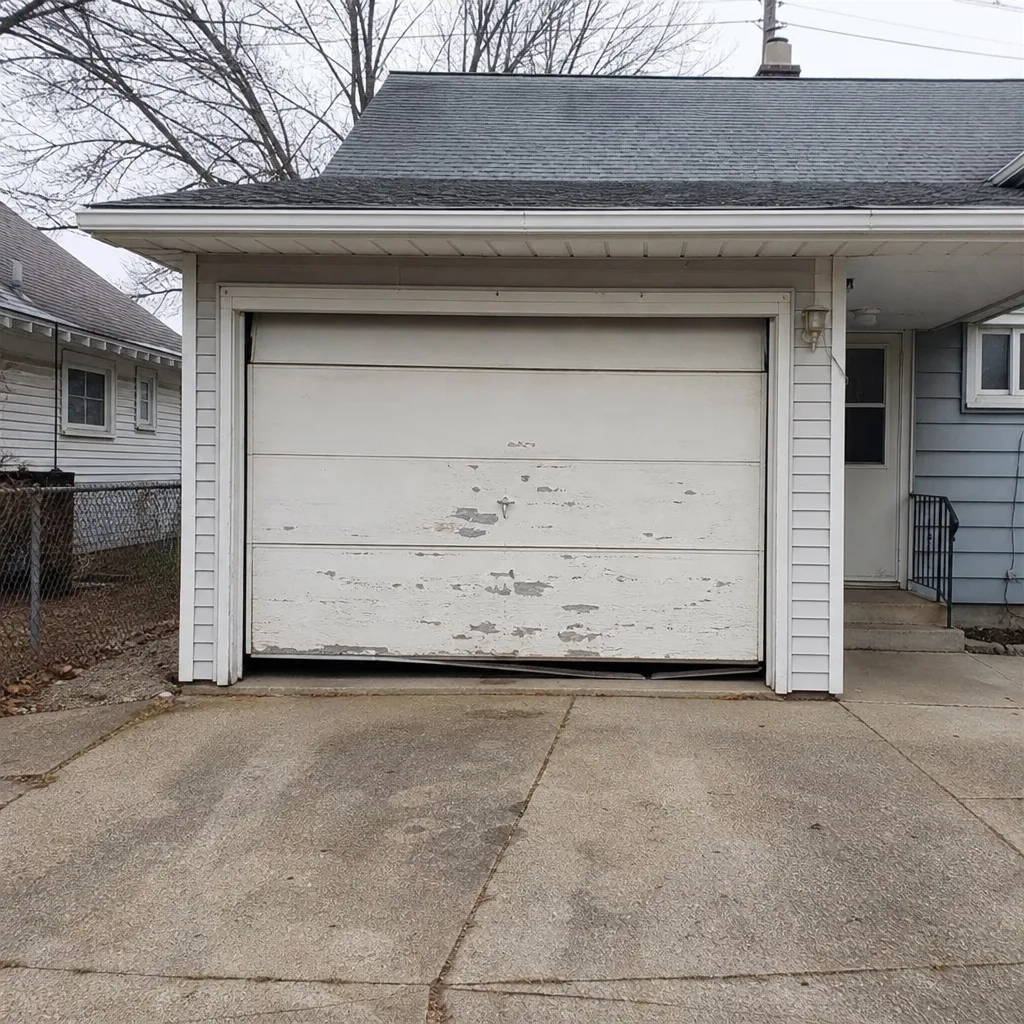 Before
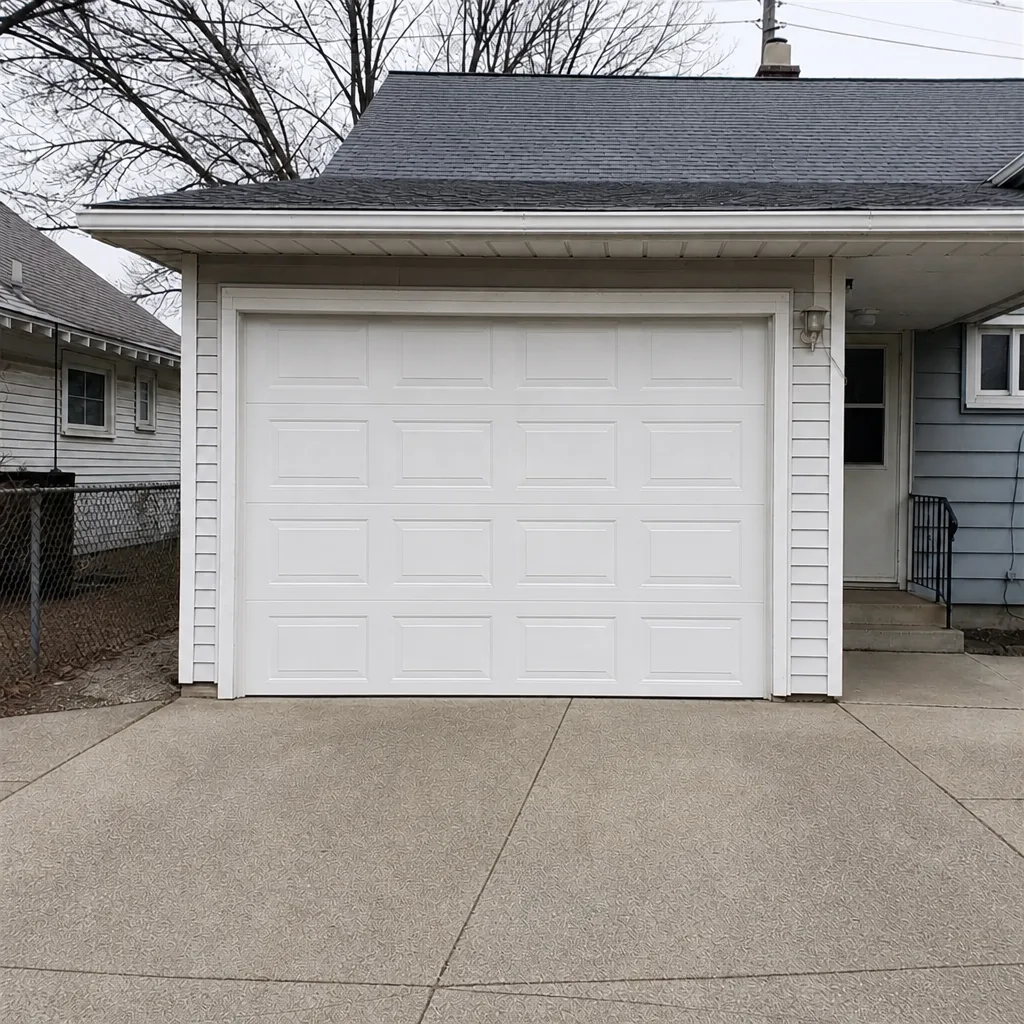 After
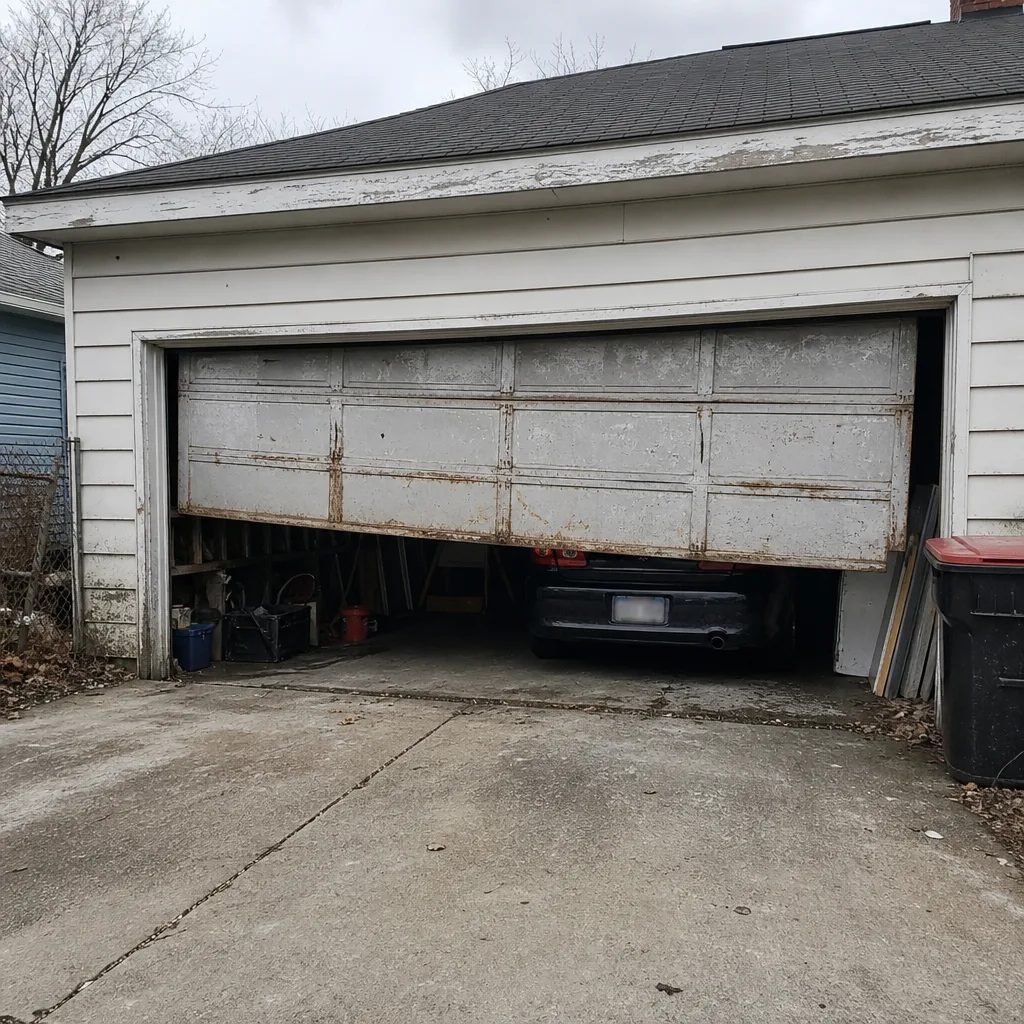 Before
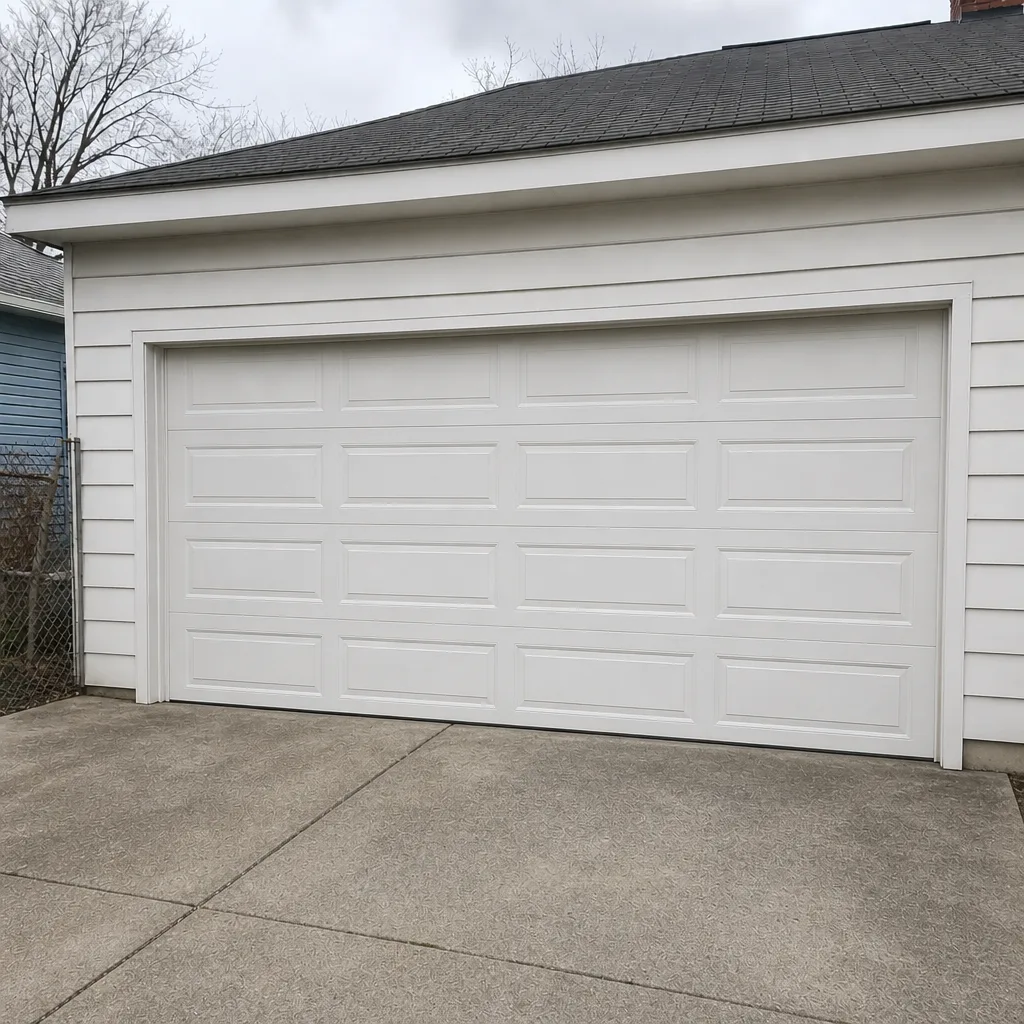 After
When to Call a Professional
Call a specialist when the door is sluggish or heavy when lifted manually, when the spring is visibly broken or the door has gone out of balance, when the opener force test fails even after adjusting the setting, when a track is bent or out of plumb, or when the bottom seal cannot be sourced for the door’s original brand. Also call if you hear a bang from the garage during operation. That’s usually a broken spring, and it is not a homeowner fix. For anything above the homeowner-safe list, or if the door is more than a few seasons removed from its last technician inspection, a trained eye is cheaper than a winter emergency. Harmon Garage Door Repair offers free estimates in South Bend. Call (844) 834-4569. We answer 24/7. Fast dispatch from 7am to 7pm, Sunday through Friday.
Frequently Asked Questions
Twice a year is the practical minimum for a South Bend door: once in October before the first freeze and once in mid-summer. The October pass matters more because the lubricant needs to be in place before temperatures drop. Use a cold-rated product on hinges, roller bearings, and torsion spring coils. If your garage is detached and unheated, don’t stretch the interval past six months.
No. Spring work is not a homeowner job, even for someone with mechanical experience. Torsion and extension springs are under extreme tension, and a released spring can cause serious injury. The opener, the door, and the spring all interact, and a spring that’s replaced at the wrong tension will fail again, sometimes within days. Call a specialist. Our technicians have up to 15 years of experience on spring and cable work.
Cold increases door weight through three mechanisms: ice buildup in the track, the bottom seal freezing to the concrete, and panels swelling slightly in freezing conditions. All three make the opener work harder and make the force-sensitivity setting more likely to trip. Re-running the force test after the first hard freeze is the fix. If it still trips with a fresh force setting, the opener or the door balance needs a closer look.
Yes. Our technicians are trained and work on garage doors only, not as a side service of a general contractor. We’re equipped to service products from eight major manufacturers including Clopay, Amarr, Wayne Dalton, and LiftMaster. For an exact quote, call (844) 834-4569. Estimates are free, and we work Sunday through Friday, 7am to 7pm, closed Saturday.
Pricing is quoted per job by the written estimate, and the price you’re quoted before any work starts is the price you pay. There’s no separate service-call fee added afterward. If you want a technician to run the maintenance pass for you instead of doing it yourself, call (844) 834-4569 for a free estimate. We’ll quote before any work begins.
For repair calls, same-day service is often available. Call (844) 834-4569 for the fastest response. We answer 24/7, with fast dispatch from 7am to 7pm, Sunday through Friday. Installation work is scheduled in advance because the door and parts need to be measured and ordered. We’re closed Saturday.
Look for the manufacturer plate on the door edge (usually near the bottom inside) or on the opener motor housing. Clopay, Amarr, Wayne Dalton, Raynor, LiftMaster, Chamberlain, Genie, and Craftsman each use distinct hardware geometry, and the plate makes the brand easy to identify. If you can’t find the plate, take a photo of the door’s inside hardware and the opener’s label and call (844) 834-4569. We can work from the photo to identify the model and order the correct parts.
Start with a seal inspection. If daylight shows under the door and the seal is cracked or flat, a seal replacement is a homeowner job. If the draft persists after a new seal, or if the gap is uneven across the width of the door, the cause is often a settled floor slab or a track that’s out of plumb. That’s a specialist call. For a South Bend home, freeze-heave is a common cause of uneven contact points. Call (844) 834-4569 if you’re not sure which problem you’re looking at.
The Bottom Line
A South Bend garage door doesn’t fail in winter because of the cold. It fails because the fall maintenance pass was skipped. The sequence above is what actually prevents that: cold-rated lubrication, a bottom-seal audit, spring tension checks adjusted for your garage configuration, and a force-sensitivity test that gets re-run after the first hard freeze. The homeowner-safe items on that list take an afternoon. Spring and cable work, and any adjustment to the door’s balance, belong to a specialist every time. If you’d rather have the whole pass handled in one visit, or if something on the homeowner list turns up a problem, call (844) 834-4569. We answer 24/7, with fast dispatch from 7am to 7pm, Sunday through Friday. Harmon Garage Door Repair works across South Bend and treats garage doors as a specialty, not a sideline. Free estimates, honest diagnosis, and the personal name on every job.
For the broader range of what we handle beyond the maintenance checklist, visit our main page at Harmon Garage Door Repair. If your door problem is already past maintenance and needs parts or a full replacement, we cover that under our installation service line.
Written by the team at Harmon Garage Door Repair.