
Last updated November 15, 2026
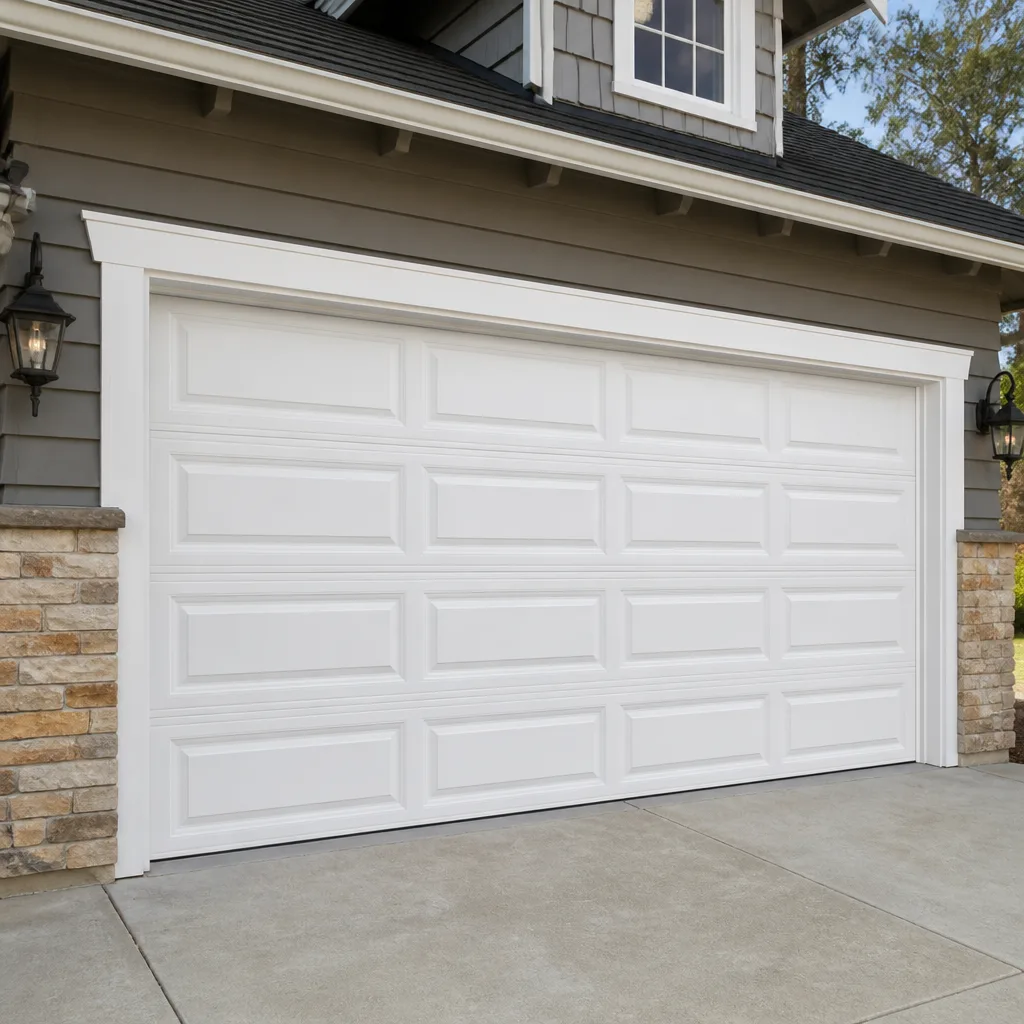 Raised-panel steel
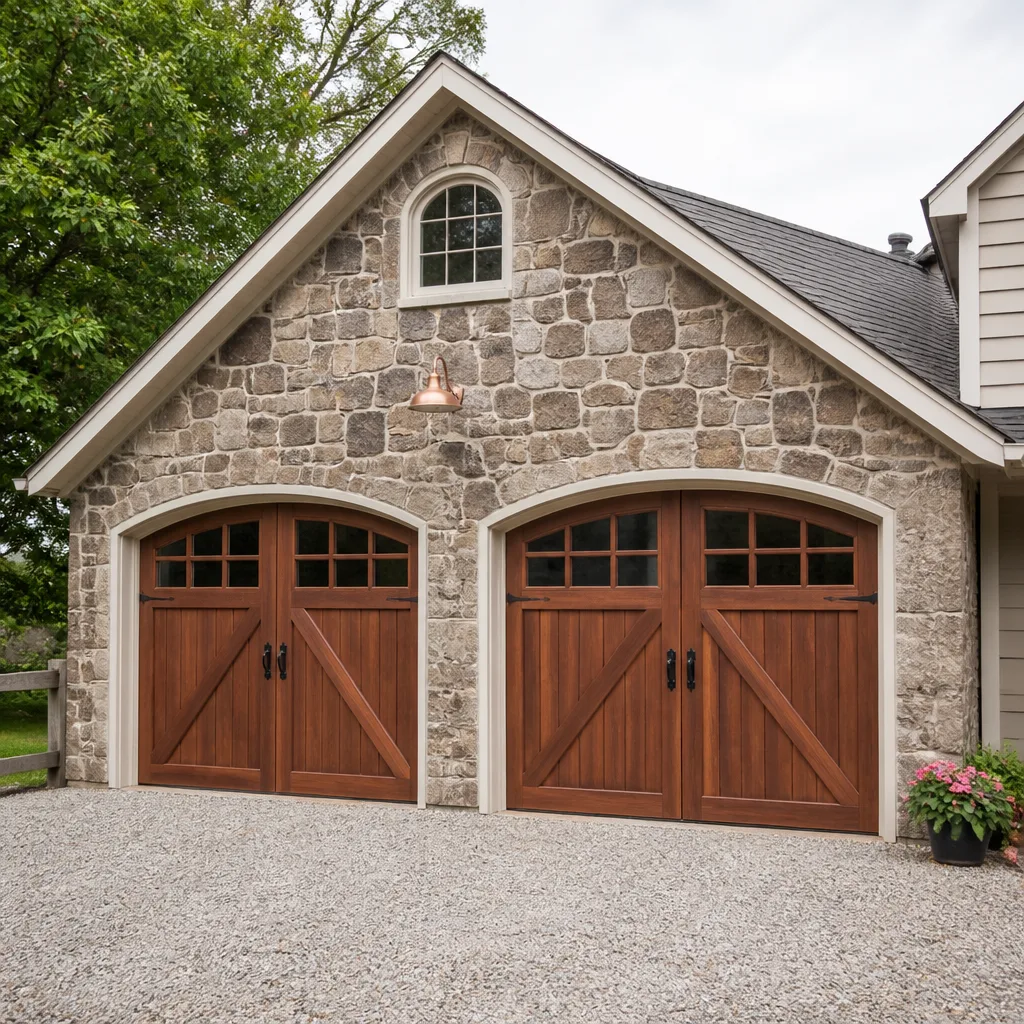 Carriage house
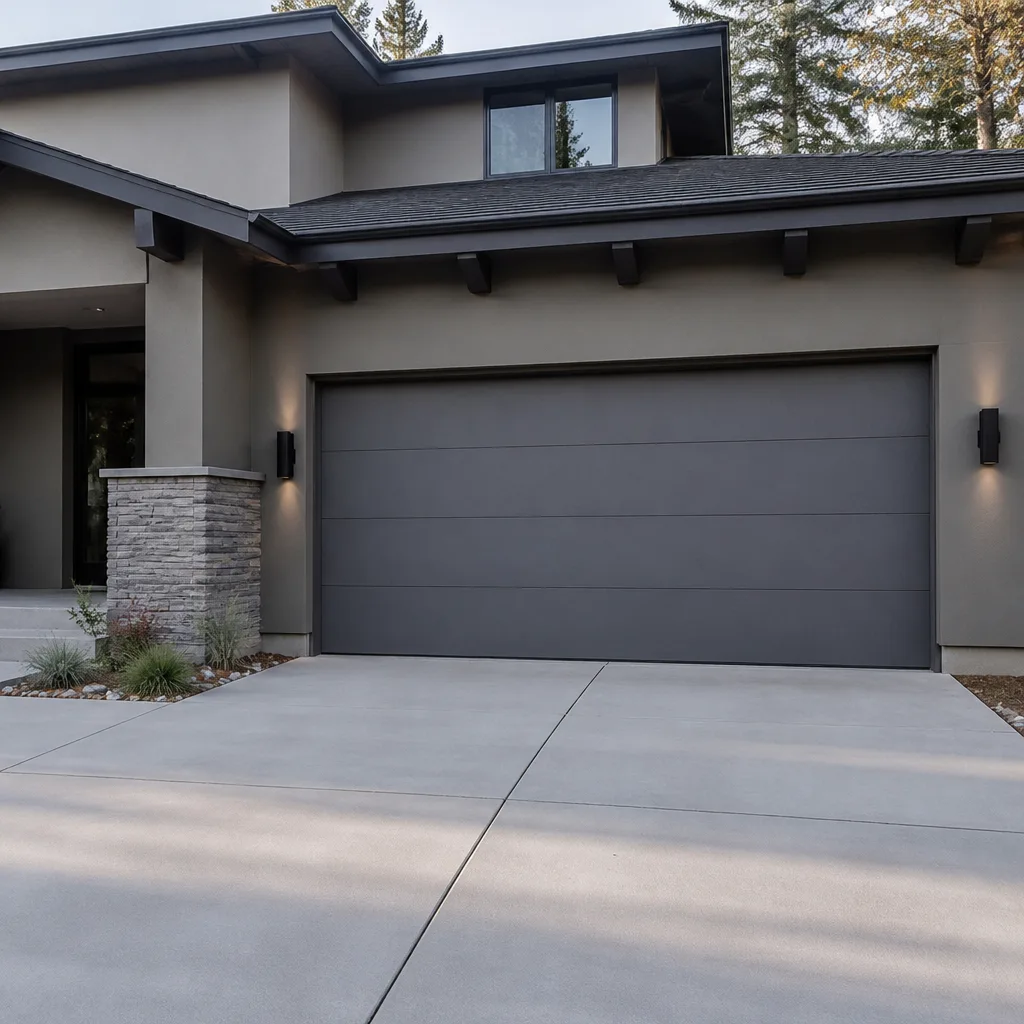 Modern flush
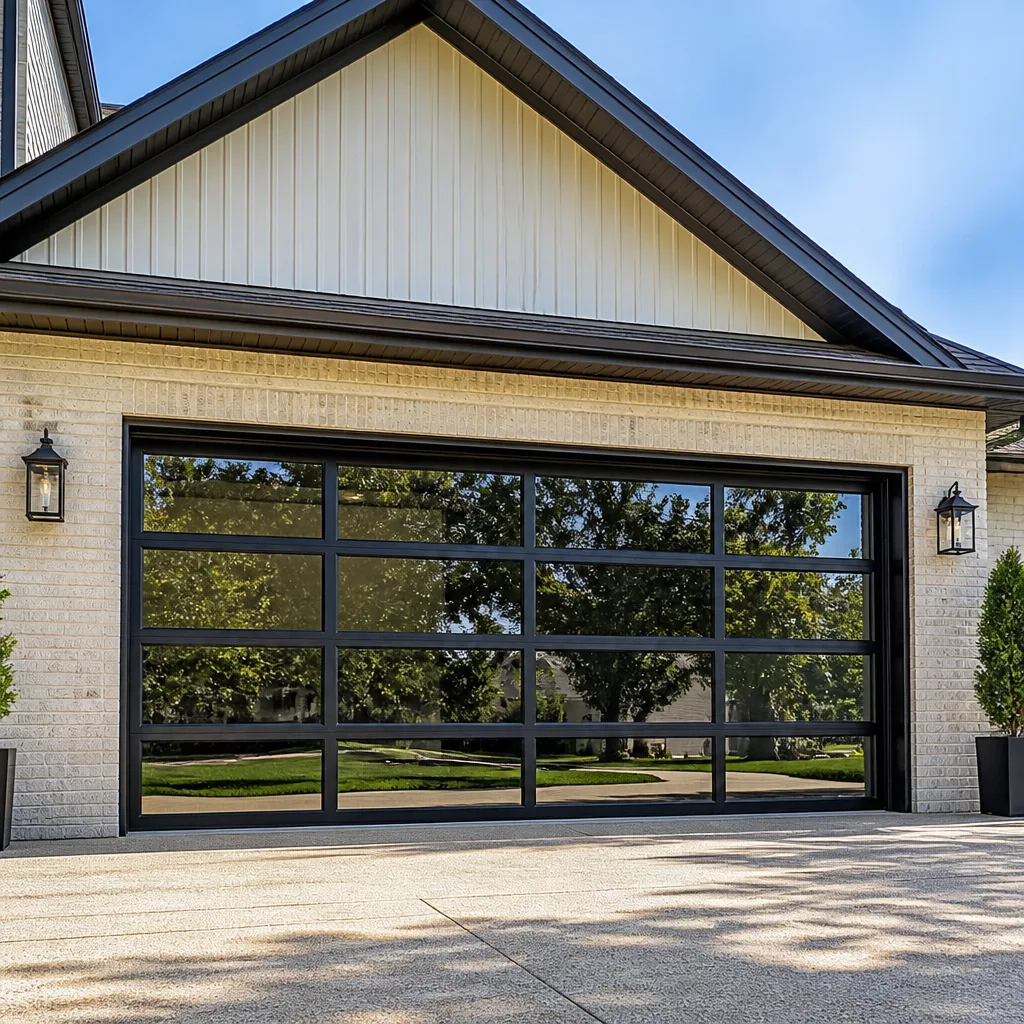 Full-view glass
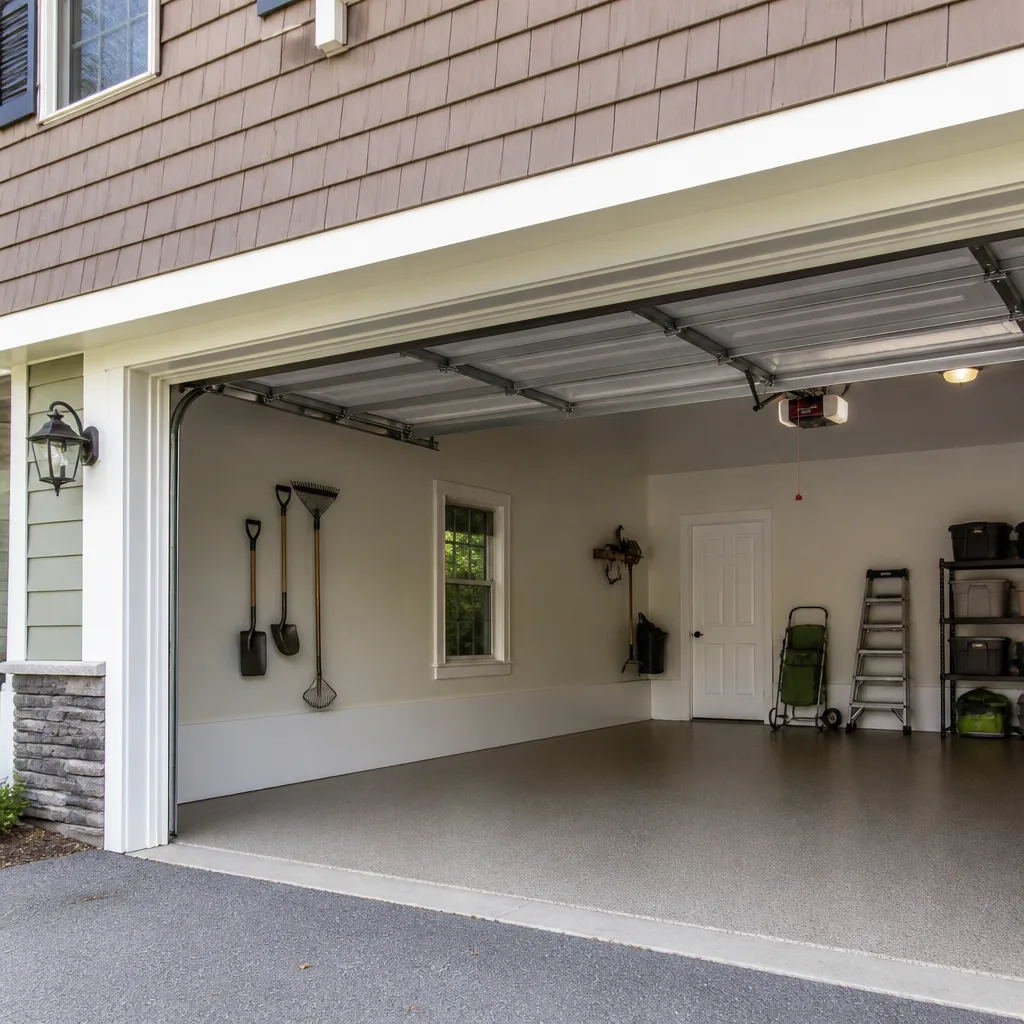 LiftMaster openers
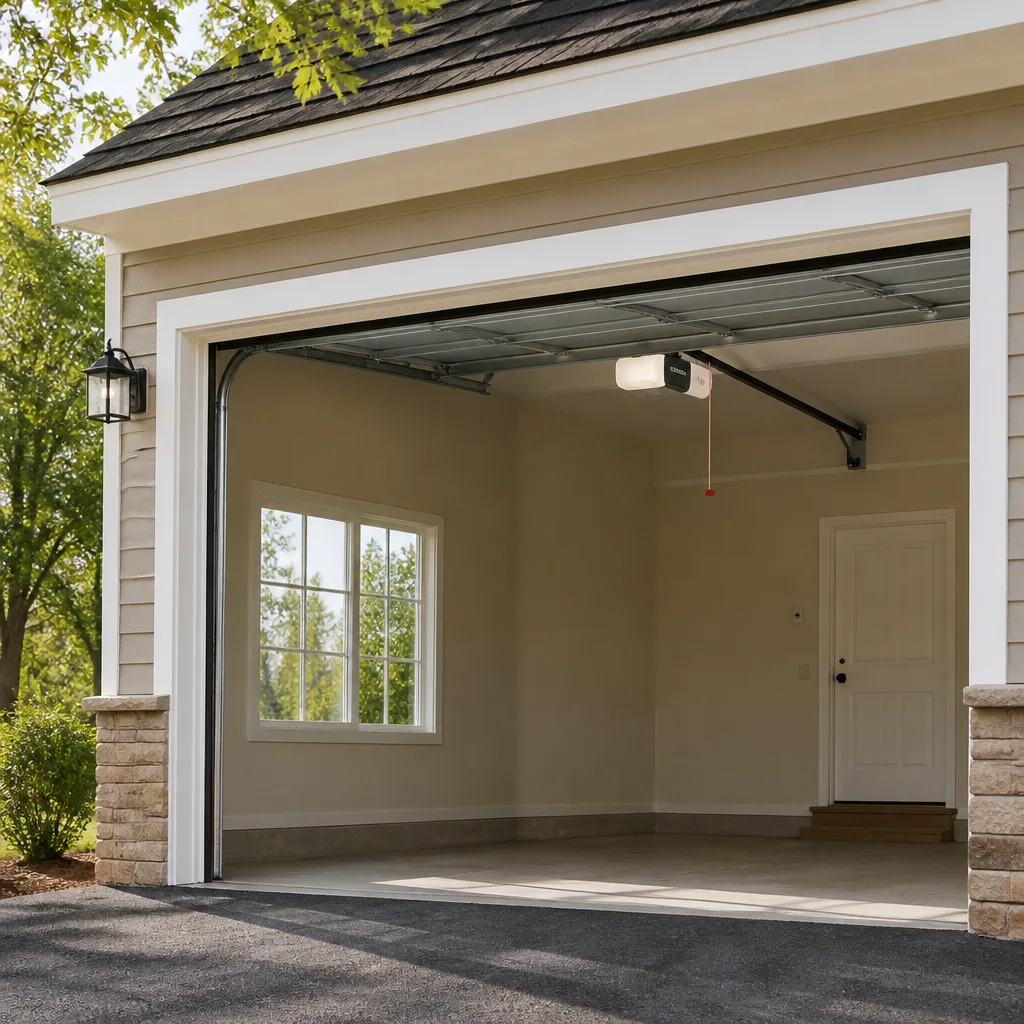 Chamberlain openers
Full 25-point door and opener safety check with every visit - springs, cables, rollers, tracks, and your LiftMaster or Chamberlain opener included
You get a price before we start. It does not change when the pro arrives.
Get your free estimateSeasonal Garage Door Care for South Bend: Year-Round Homeowner’s Guide
Most homeowners in South Bend assume winter is what kills a garage door. It’s a reasonable guess, given the lake-effect snow and the long stretches below freezing. But in our experience, the damage usually happens in spring. March and April bring repeated freeze-thaw cycles, and that constant expansion and contraction of metal fatigues torsion springs faster than steady cold ever does. A door that sailed through January can snap a spring on the first warm week of April. This guide walks through each of South Bend’s four genuinely distinct seasons as its own maintenance window, with the specific tasks that matter in each one and the honest reasons they matter.
Quick Answer
Seasonal garage door care in South Bend means inspecting tracks and frames after the spring thaw, managing humidity and heat in summer, lubricating and sealing in fall before temperatures drop below the effective range for lubricants, and preparing for freeze-to-ground conditions and cold-stressed openers in winter. Spring is the highest-risk season for spring and track failure because freeze-thaw cycling causes more metal fatigue than sustained cold alone.
Styles & brands we work with
- Raised-panel steel
- Carriage house
- Modern flush
- Full-view glass
- LiftMaster openers
- Chamberlain openers
Table of Contents
- Spring: The Post-Thaw Inspection That Matters Most
- Summer: Humidity, Heat, and Storm-Season Readiness
- Fall: The Lubrication and Weatherstripping Window
- Winter: When a Door Freezes to the Ground or an Opener Quits
- The Annual Tasks Homeowners Keep Deferring
- Brand-Aware Care: Why the Model Matters
- Common Mistakes to Avoid
- When to Call a Professional
Spring: The Post-Thaw Inspection That Matters Most
Spring is the most damaging season for garage door hardware in South Bend, and it isn’t close. The reason is freeze-thaw cycling. Through March and April, daytime temperatures climb above freezing and nighttime temperatures drop back below it, sometimes for weeks on end. Metal expands and contracts with each cycle, and torsion springs – the tightly wound coils that counterbalance the door’s weight – accumulate fatigue far faster under that pattern than they do during a steady cold snap. A spring that’s already near the end of its service life often fails on the first warm stretch of the year.
The thaw also reveals problems that were invisible while everything was frozen solid. Concrete slabs heave upward when the ground beneath them freezes and expands, then settle unevenly as it thaws. That movement can push a garage floor slab out of level, and a track anchored to a wall or frame that shifted with it will pull out of alignment. Doors that ran smoothly in December suddenly bind, rub, or scrape in April. The homeowner usually hears it before they see it.
Here’s what to check once the ground has thawed and the snow is gone:
- Look at the tracks where they meet the floor and the header. Any gap between the track and its mounting point, or any visible bend, means the frame moved with the frost.
- Test the door’s balance by hand (with the opener disconnected, door closed). Lift it halfway. It should stay put. If it drops or rises on its own, the spring tension is off.
- Listen for new sounds. A popping or snapping noise during operation is a spring or cable issue worth stopping for.
- Check the concrete at the door’s threshold for heaving or cracking that could interfere with the bottom seal.
- Look at the springs themselves for visible gaps or a stretched, relaxed appearance.
If you find a broken spring or a track that’s clearly out of alignment, stop operating the door and get it looked at. Springs and cables are the genuinely dangerous part of this equipment – a wound torsion spring stores enormous energy, and a cable under load can cause serious injury if it lets go while someone is working near it. That’s not a repair to attempt without training and the right tools.
For South Bend homeowners on the west side or in older neighborhoods near the river, where slab and foundation movement tends to be more pronounced, spring inspections are worth doing earlier rather than later. If something looks wrong, our garage door repair technicians can take a look and tell you plainly whether it’s a real problem or normal seasonal settling.
Summer: Humidity, Heat, and Storm-Season Readiness
Summer in South Bend is humid, and that humidity does quiet but cumulative damage to wood garage doors in particular. Wood swells as it absorbs moisture, then shrinks as it dries. Panels can warp, joints open up, and paint or stain film cracks along the seams where water gets in. If your door is wood – or a wood-composite like some Clopay and Raynor models – summer is when you’ll notice the first signs. Check the bottom edges of panels and around the window frames, since those are the spots where moisture lingers.
The heat hits the opener too. Most openers live in an unconditioned garage that can climb well past 100 degrees on a still July afternoon. Circuit boards and motors are sensitive to that. A LiftMaster or Chamberlain unit that’s been reliable all year may start behaving oddly in the heat – reversing for no reason, refusing to close, or losing its travel limits. Often the fix isn’t the motor at all; it’s a logic board that’s heat-stressed or a safety sensor knocked slightly out of alignment by a weed trimmer or a bag of mulch leaning against it.
Summer is also storm season. Before the first line of thunderstorms rolls through, it’s worth a short readiness check:
- Confirm the door closes fully and seals against the floor. A door that leaves a gap lets wind-driven rain straight into the garage.
- Test the safety reverse. Place a small object in the door’s path and confirm it reverses on contact. This is a safety function, not an optional feature.
- Check the bottom weather seal for cracks or missing sections.
- Look at the exterior trim and siding around the opening for gaps that let water in sideways.
- If your opener has battery backup, confirm the battery still holds a charge.
An opener that acts up only in hot weather is often easier to diagnose than it looks, and it’s rarely worth replacing the whole unit. Our garage door opener repair service is built around exactly this kind of heat-related and sensor-related fault, so a board or sensor problem doesn’t turn into a new-opener sale by default.
Fall: The Lubrication and Weatherstripping Window
Fall is the single most important season for preventive work, and the window is narrower than most people realize. Garage door lubricant needs to be applied while temperatures are still mild – roughly the stretch from late September through October in South Bend, before overnight lows start dipping toward freezing. Lubricants thicken in cold, and a product applied in November may never fully work its way into the rollers, hinges, and springs before the cold locks it in place. The same window applies to weatherstripping: adhesive-backed seals need mild temperatures to bond properly, and caulk needs to cure before the first hard freeze.
Here’s the fall checklist, in the order it makes the most sense to do it:
- Lubricate the moving parts. Rollers, hinges, and the spring coils take a proper garage door lubricant – not WD-40, which is a solvent, not a lubricant. Apply it while temperatures are mild so it can work in.
- Inspect and replace the bottom seal. This is the barrier between the door and a cold, wet, or snow-packed floor. A cracked or flattened seal lets cold air and meltwater in all winter.
- Check the side and top weatherstripping for gaps, and re-caulk any trim seams that opened over the summer.
- Test the door’s balance again before cold weather puts extra load on the springs.
- Tighten the track and hinge hardware that vibrated loose over the summer.
- Clear the tracks of leaves, grit, and the debris that blows in during fall.
South Bend’s fall is also the “get it done before the snow” season for a reason. The lake-effect weather can arrive abruptly, and once the ground freezes and stays frozen, exterior sealing work becomes far harder to do properly. Homeowners in Granger and Mishawaka often have more tree cover and windblown debris than newer subdivisions, which makes the track-clearing and hardware-tightening steps worth prioritizing. Whatever the specific address, the principle holds: do the lubrication and sealing while the thermometer still cooperates.
Winter: When a Door Freezes to the Ground or an Opener Quits
Winter brings two failure modes that are more or less unique to cold climates, and both need a clear plan rather than a panicked one.
The first is a door frozen to the ground. Meltwater runs under the bottom seal during a mild spell, then refreezes overnight and bonds the door to the concrete. Forcing the opener to lift it can strip the drive gear, burn out the motor, or snap a spring under sudden load – and the opener will keep straining because it doesn’t know the door won’t move. The better response is to free the seal gently before operating the door: warm the bottom edge gradually, work the seal loose by hand, and clear the ice and snow away from the threshold. Keeping the bottom seal in good shape through fall makes this far less likely to happen in the first place.
The second is an opener motor that quits in the cold. Cold thickens the grease inside the opener and puts more drag on the door’s moving parts. An opener that was already marginal – a tired motor, a worn gear, a sensor that’s drifted – often fails on the first genuinely cold morning. If your opener is a Genie or Craftsman unit that’s been slow to start or noisy all fall, winter is when it lets you know.
If either happens, the response is the same. Don’t force the door. Get a technician out to diagnose it. We answer 24/7, and fast dispatch runs 7am to 7pm, Sunday through Friday; a call that comes in outside that window gets booked into the next opening. We’re closed Saturday. South Bend winters don’t wait for a convenient moment, but a forced door turns a manageable repair into a much bigger one.
The Annual Tasks Homeowners Keep Deferring
Some garage door maintenance doesn’t belong to any single season. It just belongs to the year, and it gets deferred until something breaks. Being honest about what happens when it is deferred is the most useful thing we can offer here.
Testing the safety reverse is the one that matters most and gets done least. It should happen monthly, but realistically most homeowners do it once a year at best. If it fails, the door can close on a person or pet without stopping. That’s a genuine safety issue, not a convenience one.
Balancing the door by hand takes two minutes and catches a failing spring before it snaps. A door that won’t hold its position halfway up is telling you the spring tension is wrong.
Tightening hardware sounds trivial, but loose hinges and track bolts cause vibration, and vibration accelerates wear on every other moving part.
Checking the rollers for flat spots or worn bearings is easy to skip and easy to regret. A seized roller drags on the track and adds load to the opener.
Inspecting the cables for fraying or slack is another one to leave to a professional. Cables are under high tension, and they’re the component most likely to cause serious injury if handled by an untrained hand.
Clearing the tracks of grit and debris is perhaps the most deferrable and most consequential. Debris in the track is a slow grind that wears the rollers and strains the opener over time.
If you’re not confident doing these checks yourself – and for the spring and cable inspections, you shouldn’t be – a single annual professional tune-up covers the whole list. South Bend homeowners who do the spring inspection, the fall lubrication, and the annual safety test are the ones who tend to avoid the mid-January emergency call.
Brand-Aware Care: Why the Model Matters
Not every garage door and opener wears the same way, and the brand and model genuinely change what to look for. That’s why we stay factory-familiar with the brands that are actually installed across South Bend homes – LiftMaster, Chamberlain, Genie, Raynor, Clopay, Amarr, Wayne Dalton, and Craftsman among them.
The differences are practical. A LiftMaster or Chamberlain opener with a belt drive and a smart-home module has different failure points than an older screw-drive Genie. A wood door from a manufacturer like Clopay or Raynor needs different summer moisture attention than a steel door from Amarr or Wayne Dalton. Knowing which system is on the wall means we’re not guessing at the diagnosis or hunting for a part that may not be standard. It also means fewer dead ends on the “we don’t work on that brand” front, which is a genuine frustration when you’re the one with a door that won’t close.
This matters most in older South Bend neighborhoods where the installed equipment has been swapped or upgraded piecemeal over the years. A house might have a Raynor door from one era and a LiftMaster opener installed later, and the two have to work together correctly. Getting that combination right is a big part of what our Harmon Garage Door Repair team does.
Common Mistakes to Avoid
- Assuming winter is the dangerous season for springs. In our experience, spring freeze-thaw cycles cause more fatigue than steady cold, and South Bend’s March and April weather is when springs fail.
- Using WD-40 as a lubricant. It’s a solvent, not a lubricant. It can strip existing grease and leave moving parts drier than before. Use a purpose-made garage door lubricant instead.
- Lubricating in November. Cold thickens lubricant, and applying it after the first freeze means it never works its way in properly. Aim for late September through October in South Bend.
- Forcing a frozen door open with the opener. The opener can’t tell the door is stuck, so it keeps straining until something breaks. Free the seal first.
- Ignoring concrete heave under the tracks. A track that shifted with the frost will bind the door all year. This is common in older South Bend neighborhoods where slabs have settled.
- Replacing an opener when the problem is a sensor or board. Heat-stressed logic boards and misaligned safety sensors are far more common than dead motors, especially on older LiftMaster and Chamberlain units.
- Deferring the annual safety reverse test. It’s the check that protects people and pets, and it’s the one most often skipped. Test it, or have it tested.
When to Call a Professional
Some seasonal tasks are genuinely homeowner-level: wiping down tracks, applying lubricant in the fall, testing the safety reverse, clearing debris. Others aren’t. Broken springs, frayed or slack cables, tracks that have pulled out of alignment, openers that need diagnosis on the logic board or motor, and doors frozen to the ground all belong with a trained technician. These are the components that store energy or carry real electrical fault risk, and a mistake around them can cause serious injury.
There’s a middle category too – the “probably fine, but I’m not sure” cases. A door that’s started making a new noise, an opener that’s slow on cold mornings, a track that looks slightly bent. Those are worth a professional look before they turn into a mid-winter emergency. Harmon Garage Door Repair offers free estimates in South Bend – call (844) 834-4569. We work on the brand you already have, and a technician who knows your model can tell you exactly what’s going on rather than quoting a full replacement. Our technicians have up to 15 years of experience with the equipment installed across South Bend homes.
Frequently Asked Questions
The best time is fall, before the first freeze, so lubrication and weatherstripping can be done while temperatures are still mild. Spring is the second key window, since freeze-thaw cycles cause the most spring and track damage and a post-thaw inspection catches problems early. A single annual professional tune-up covers both.
Because repeated freeze-thaw cycling causes more metal fatigue than sustained cold. Through March and April in South Bend, daytime thawing and nighttime refreezing cycle the metal in the springs many times, and a spring near the end of its life often fails on the first warm stretch. Winter cold is steady by comparison.
Keep the bottom weather seal in good condition, and clear snow and ice away from the threshold before operating the door. If the door is already frozen, don’t force it with the opener – warm the bottom edge gently and work the seal loose by hand first. A worn seal is the most common reason meltwater gets under the door and refreezes.
You can, but it’s not ideal. Lubricants thicken in cold temperatures and may not work their way into hinges, rollers, and springs properly. The better window in South Bend is late September through October, while overnight temperatures are still mild. If you missed that window, a professional can advise on the best approach.
No. Torsion springs store enormous energy, and a wound spring that releases unexpectedly can cause serious injury. This is a job for a trained technician with the right tools and knowledge of the specific spring. We handle spring repairs and don’t recommend a DIY approach for this component.
Usually not. Heat-stressed logic boards and misaligned safety sensors are far more common than dead motors, especially on older LiftMaster and Chamberlain units. A technician can diagnose whether it’s the board, the sensor, or the motor before recommending replacement. Call (844) 834-4569 for an exact quote – estimates are free.
The Bottom Line
South Bend’s garage doors face four distinct seasons, and each one brings its own failure mode. Spring is when freeze-thaw fatigue catches up with springs and shifts tracks out of alignment. Summer humidity and heat work on wood doors and opener circuit boards. Fall hides a narrow window for lubrication and weatherstripping before the cold locks everything in. Winter is when frozen thresholds and strained openers force the issue. The homeowners who treat each season as its own maintenance window tend to avoid the emergency calls. If something’s already making noise, binding, or failing, call (844) 834-4569. We’ll come out, diagnose it properly, and give you a free estimate before any work starts.
Written by the team at Harmon Garage Door Repair.
See the difference
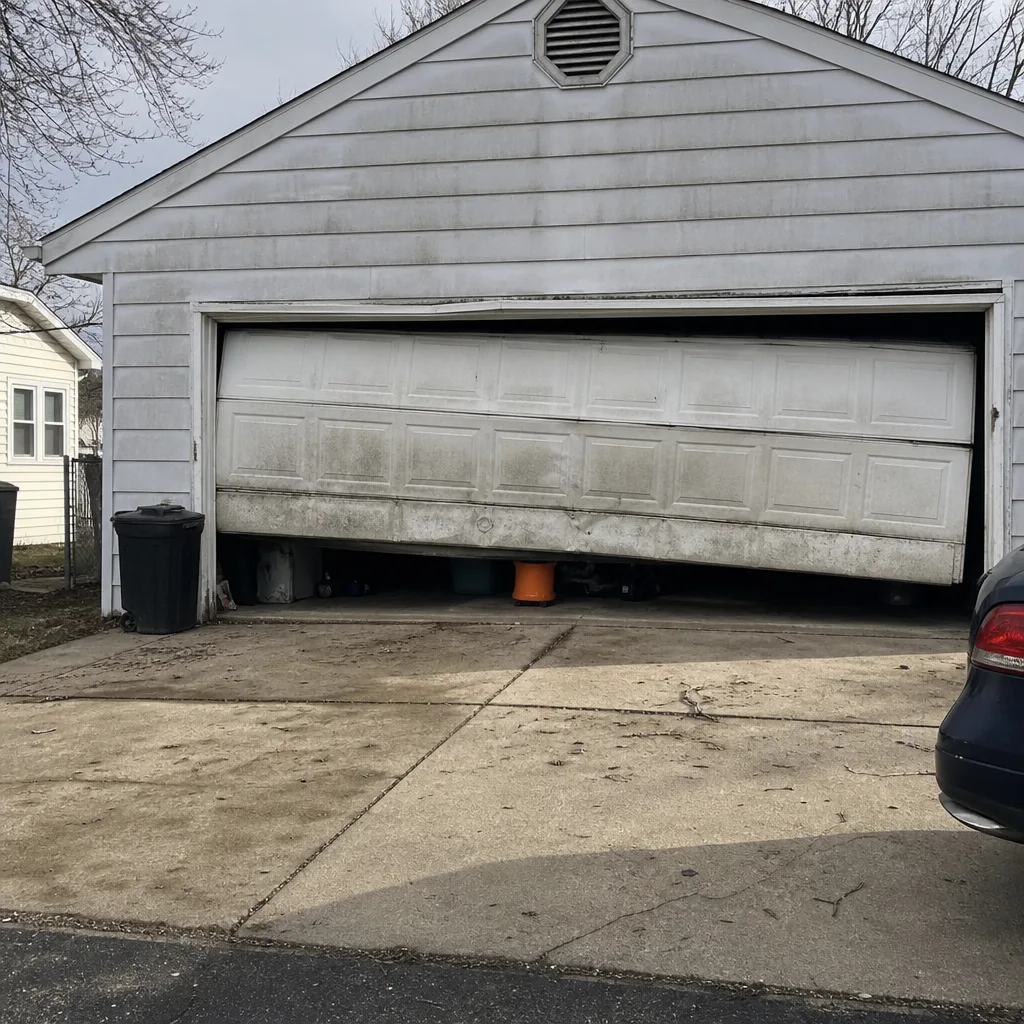 Before
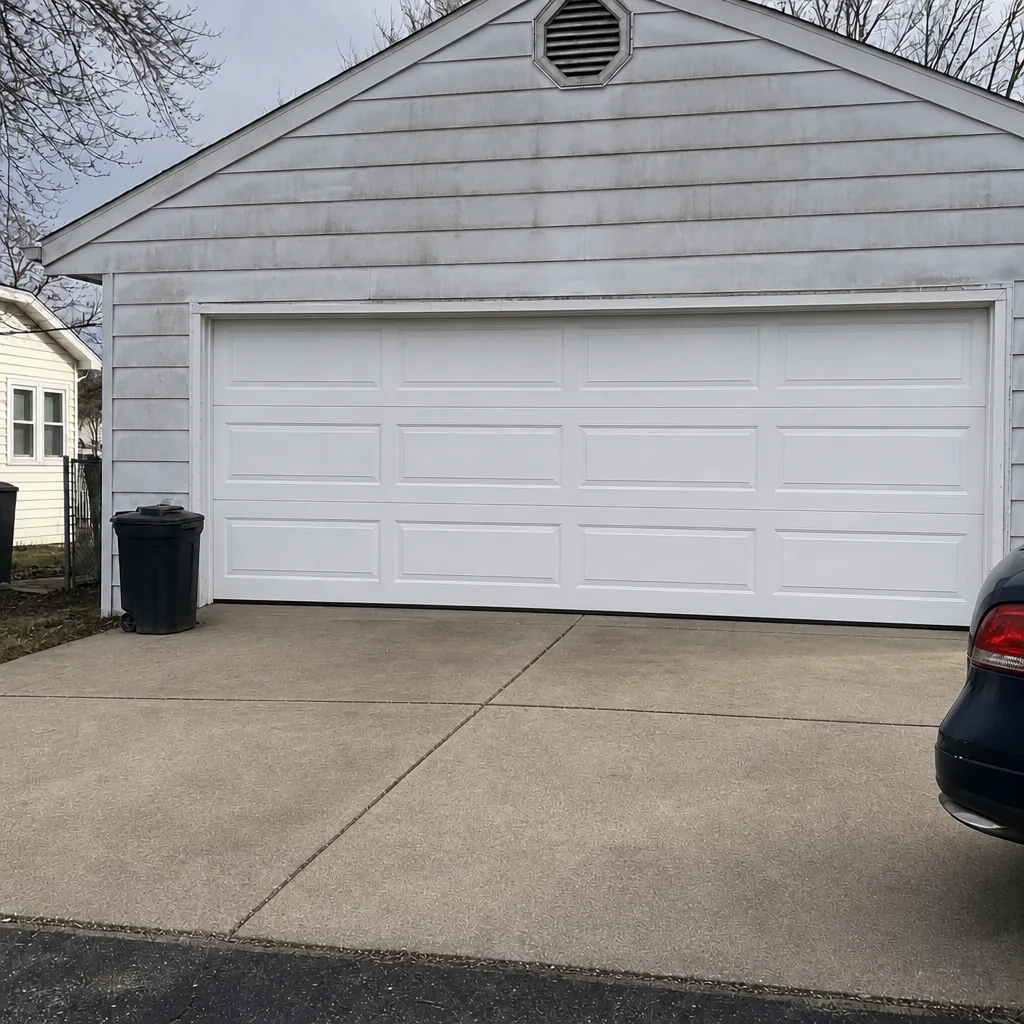 After
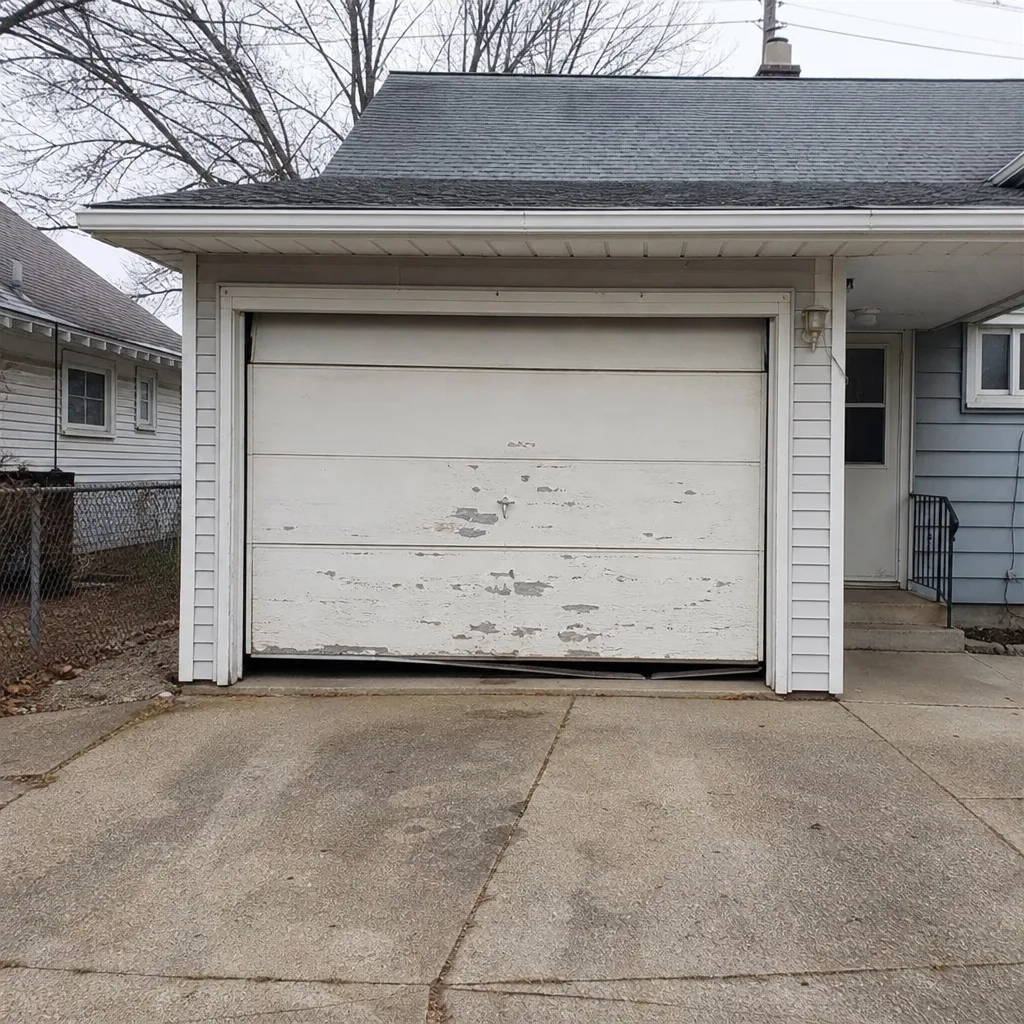 Before
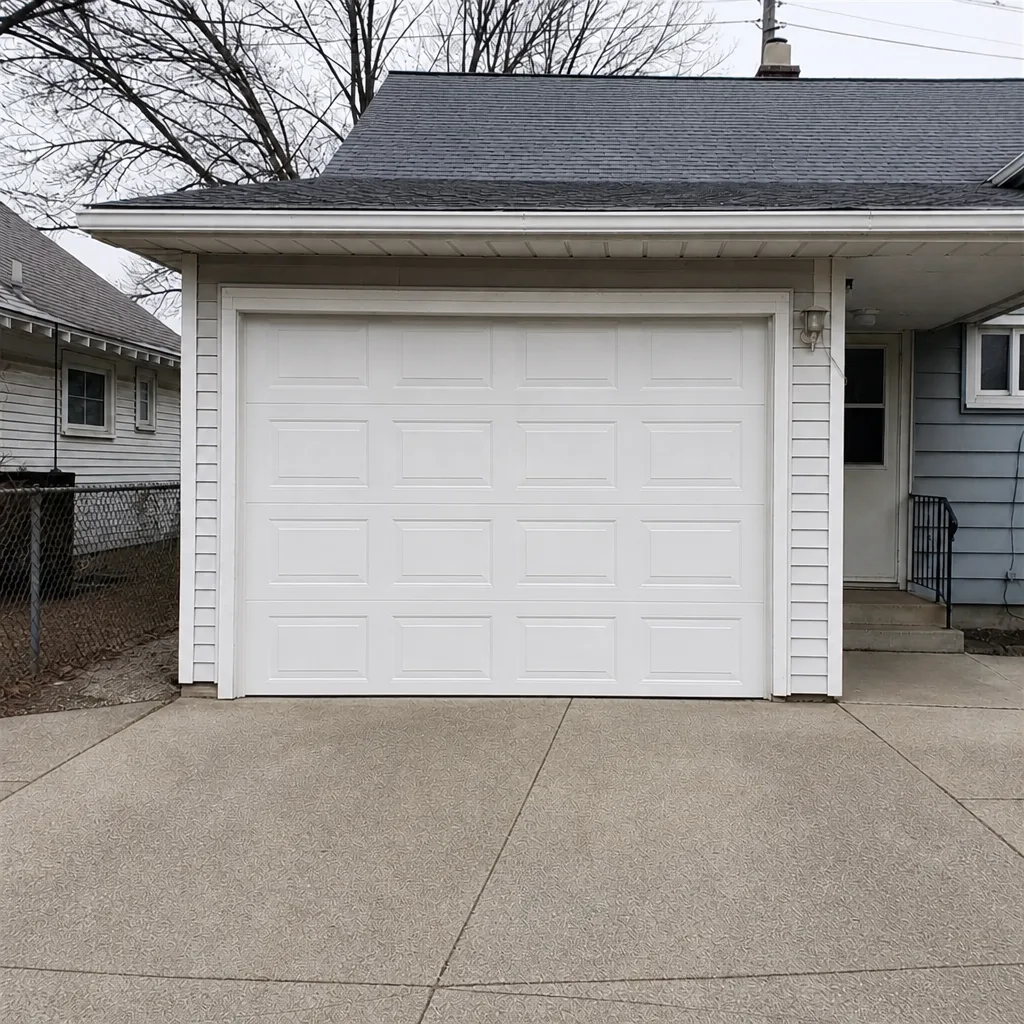 After
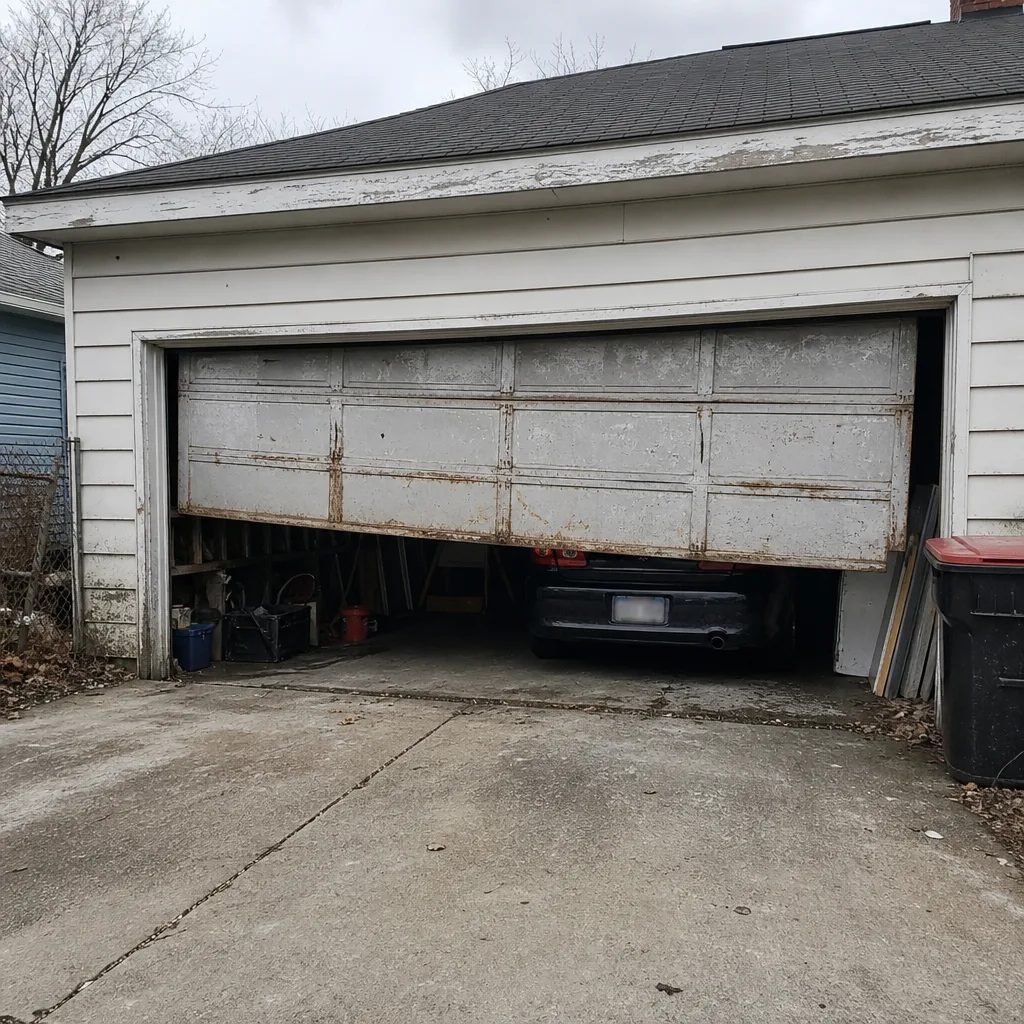 Before
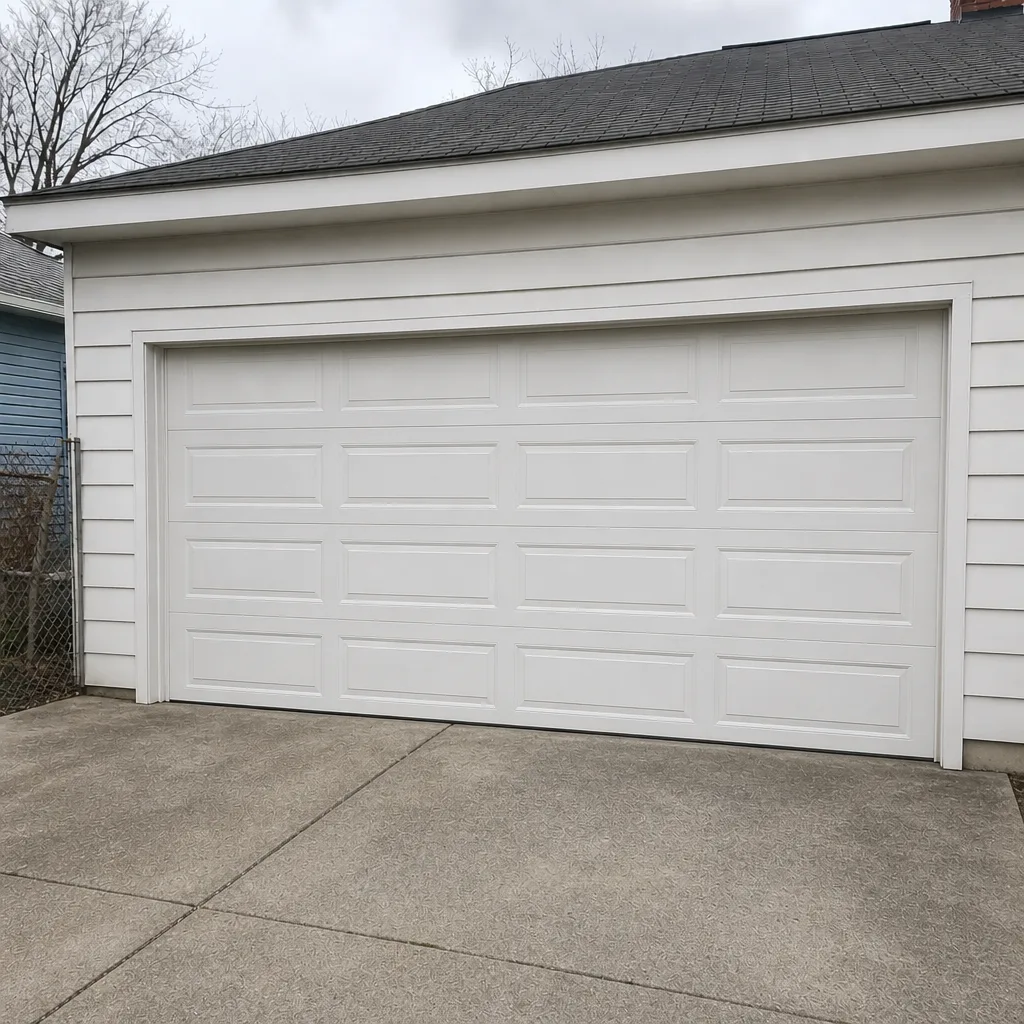 After