
Last updated November 15, 2026
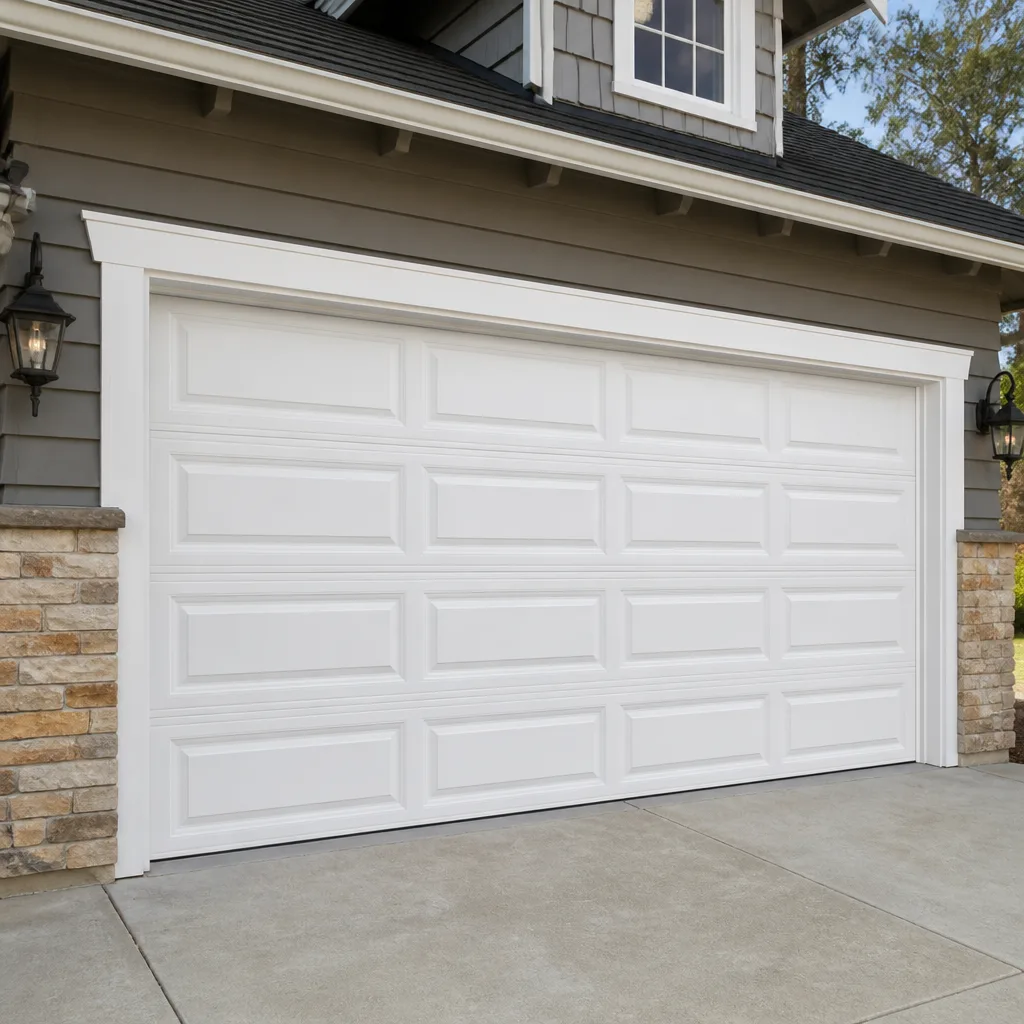 Raised-panel steel
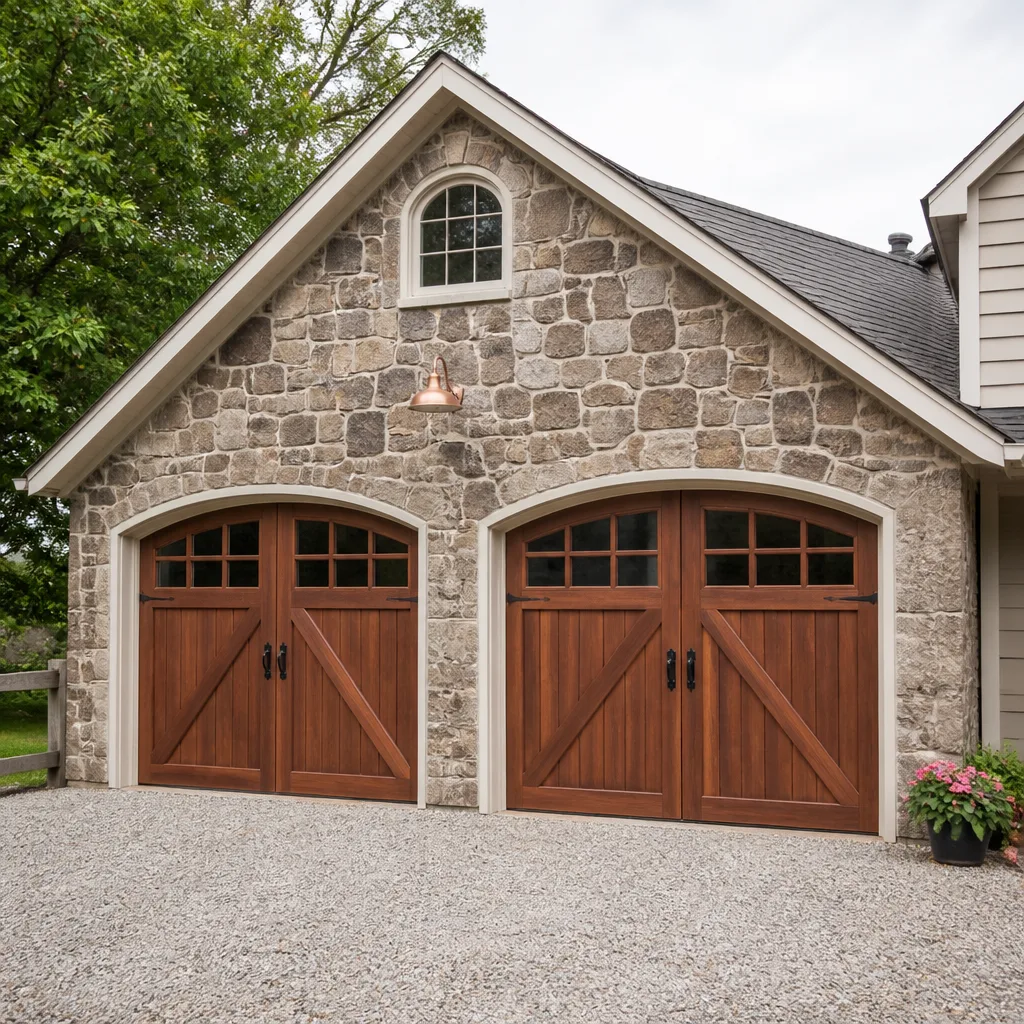 Carriage house
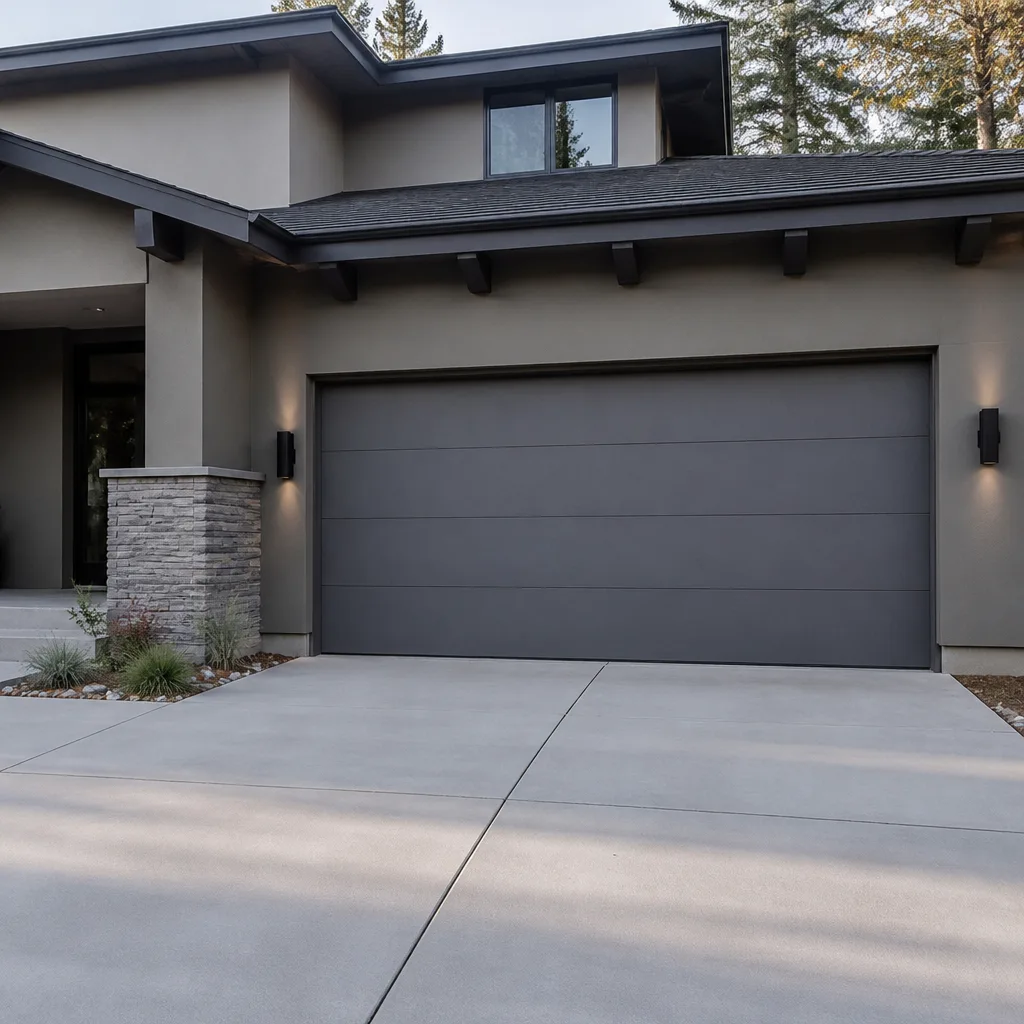 Modern flush
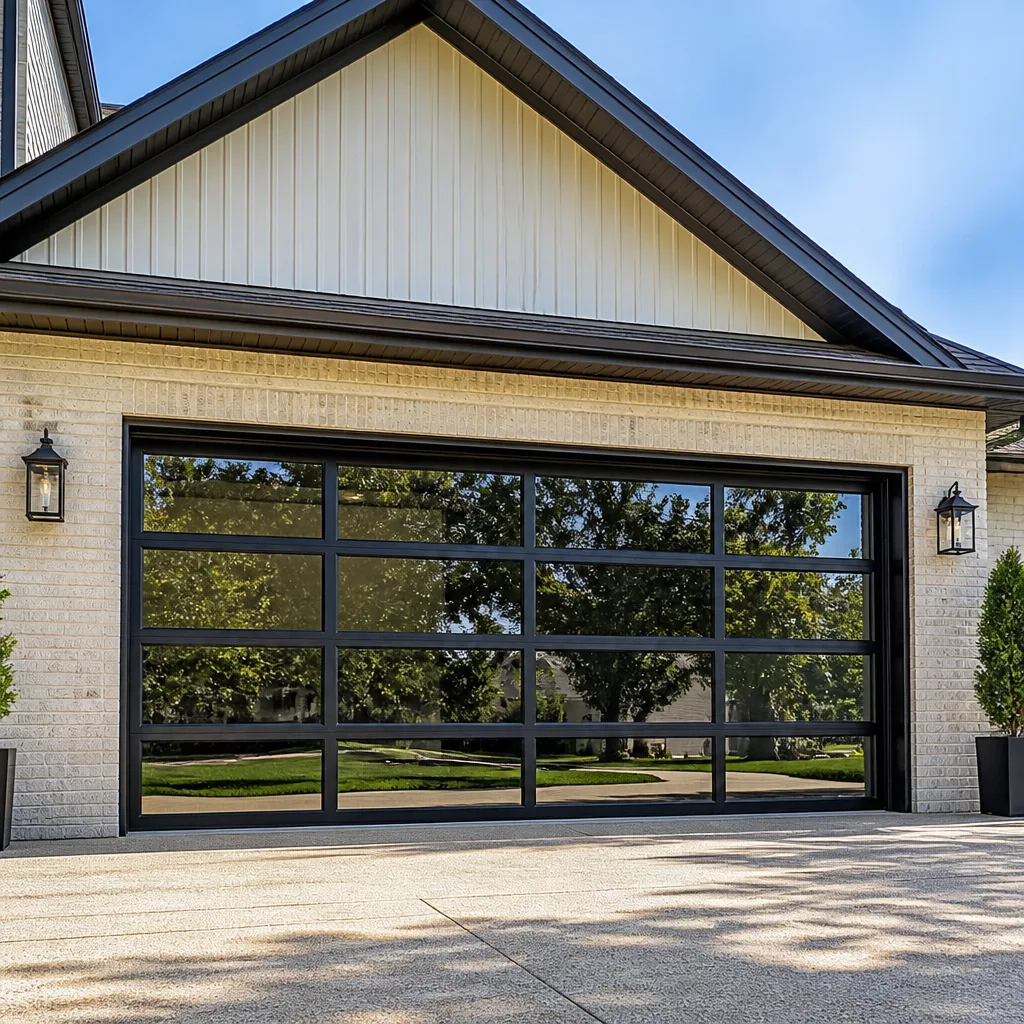 Full-view glass
 LiftMaster openers
 Chamberlain openers
Full 25-point door and opener safety check with every visit - springs, cables, rollers, tracks, and your LiftMaster or Chamberlain opener included
You get a price before we start. It does not change when the pro arrives.
Get your free estimateGarage Door Permits, Codes & Inspections in South Bend, IN: What You Need to Know
Most homeowners asking about a garage door permit want a yes or no. The more useful question is who carries the risk if the paperwork gets skipped. In South Bend, a garage door replacement can be a simple swap or a project that touches structural framing and new electrical circuits, and those two situations are not treated the same way by the building department. Getting the distinction wrong rarely costs anything today. It tends to surface years later, at inspection or at closing, when the buyer’s inspector asks who signed off on the work. This guide walks through when a permit is typically triggered here, which Indiana residential rules apply to the door itself, who is responsible for pulling the permit, and what a code-compliant installation actually includes. You’ll also see how unpermitted work shows up on a home inspection and what remediating it usually involves.
Quick Answer
In South Bend, replacing a garage door in the same opening with the same size door usually doesn’t require a building permit, but altering the opening, changing the structural header, adding a new electrical circuit for the opener, or building a new garage does. The homeowner is generally the party responsible for seeing that a required permit is pulled and the work inspected, even when a contractor performs the job. When in doubt, call the city’s building department directly and describe the exact scope.
Styles & brands we work with
- Raised-panel steel
- Carriage house
- Modern flush
- Full-view glass
- LiftMaster openers
- Chamberlain openers
Table of Contents
- When does garage door work require a permit in South Bend?
- Which Indiana residential code rules apply to garage doors?
- Who is responsible for pulling the permit?
- What does a code-compliant installation actually include?
- How does unpermitted garage door work show up in a home inspection?
- Does a new garage door opener need electrical work and a permit?
- What happens at resale if the work was never permitted?
- How South Bend’s climate and housing stock affect garage door compliance
When does garage door work require a permit in South Bend?
A permit is typically required when garage door work changes the structure or adds a new electrical circuit, and typically not required when you’re replacing a door into an existing opening. That’s the short version. The building department decides based on the scope you describe, so the exact answer lives with them, not with a general rule of thumb. The categories below are what usually trip the question.
Work that usually triggers a permit
- Structural changes to the opening. Widening or raising a garage door opening almost always means cutting into the header, and a header carries load. Any framing change of that kind is a structural permit around here.
- New garage construction or an addition. Building a detached or attached garage, or converting a carport into an enclosed garage, is a full building permit.
- New electrical circuits. If the opener is being wired into a new dedicated circuit, or you’re adding an outlet or disconnect where none existed, that’s electrical permit territory.
- Replacing a fire-rated door between garage and house. Changing the assembly between an attached garage and living space touches life-safety requirements, and inspectors look closely at it.
- Converting a garage to living space. This is beyond garage door work but often comes packaged with it, and it involves structural, electrical, and energy-code review.
Work that usually doesn’t
- Replacing a door with the same-size door in the same opening.
- Replacing springs, cables, rollers, or hinges.
- Replacing an existing opener on the same electrical circuit.
- Replacing a damaged panel with a matching panel.
These are general patterns, not a ruling. The only authoritative answer on a specific job in South Bend comes from the city’s building department, and the call is worth making before the work starts rather than after. If your project stays in the repair lane, our garage door repair team can tell you up front whether a permit is likely to come up.
Which Indiana residential code rules apply to garage doors?
Indiana residential work is reviewed against the state’s adopted residential code, which follows the IRC framework, and that framework has a handful of provisions that land directly on garage doors and the garage-to-house boundary. You don’t need to memorize the code, but knowing what inspectors care about helps you ask better questions of whoever does the work.
The fire-rated door between garage and living space
When a garage is attached to a house, the wall and door separating them are part of the fire separation. The door leading from the garage into the living space is expected to be a fire-rated door, self-closing, and the assembly is expected to hold up against the standard. This is one of the items an inspector will actually open and check. Swapping that door for a non-rated door because the original was worn out is a common and avoidable failure.
Auto-reverse and safety features
Residential openers are required to have an automatic reverse function and either a photoelectric eye system or a door-edge sensor. If the reversing function isn’t operating, the door fails inspection. Every compliant installation ends with a test of the reverse on contact and the reverse under the photo-eye obstruction test, both of which are quick and should be demonstrated to you.
Anchorage and header conditions
The code expects the door assembly to be anchored securely to framing that can carry the load. Tracks and spring mounting plates need solid material behind them, and a rotted or undersized header is a legitimate reason for an inspector to flag the install. The garage door itself is also part of the building envelope, so the door needs to be weather-stripped and the opening sealed against air and moisture where required.
Openers and their connection to the electrical code
Opener wiring falls under the electrical code adopted by the state, and the practical items are a proper connection method, correct box fill, and a means to disconnect power. That last one matters in South Bend. If the opener isn’t on a dedicated circuit, or the wiring runs through exposed romex across garage studs without protection, an inspector will usually call it out.
We work with Clopay and Amarr doors often enough that we know which installations tend to draw close scrutiny from the city’s inspector and which pass cleanly the first time. If you’re planning a project and want the code questions answered before you commit, we’re happy to walk through it.
Who is responsible for pulling the permit?
The homeowner is responsible for the permit, even when someone else files it. That’s the piece most people get wrong. Contractors can pull permits for licensed trades, but the liability on the property sits with the person who owns it. If the work was never permitted, that person is the one who owns the problem.
How responsibility breaks down
- The homeowner. Owns the permit obligation, the disclosure obligation at sale, and the cost of remediation if unpermitted work is found.
- The licensed contractor. When a contractor agrees to pull the permit, they’re responsible for filing it correctly, scheduling the inspection, and getting the sign-off. They’re also exposed to licensing-board complaints if they promise a permit and skip it.
- The unlicensed or out-of-scope contractor. Often can’t pull a permit that requires a licensed trade. Some will pitch a job as a “door swap” to avoid the paperwork entirely. If they damage the structure, the homeowner’s recourse is thin.
The trap of “we don’t bother with permits for that”
When a contractor says a permit isn’t needed for work that clearly alters framing or adds a circuit, the correct response is to call the building department and ask. They’ll tell you the scope threshold in a two-minute conversation. Asking early costs nothing. Discovering the miss during a home inspection costs a lot more. In our experience, most garage door work in South Bend is genuinely permit-free. The trouble clusters around opening changes, structural work, and new circuits, and those are exactly the areas where the work should be permitted and inspected.
What does a code-compliant installation actually include?
A code-compliant installation is more than a door hung on tracks. The inspector is checking a series of conditions around the door, and any one of them can hold up the sign-off. Here’s the sequence a clean install follows.
Before the door goes up
- Confirm the opening is square and the header is sound. Rotted framing, a sagging header, or a jamb that’s out of plumb all show up as problems later.
- Check the headroom. The spring and opener need clearance above the door for a standard installation, and low-headroom setups need different hardware.
- Confirm anchorage. Track brackets and spring plates need solid framing, not just drywall and a hollow cavity behind it.
- Verify the electrical. If an opener is part of the job, the circuit, connection method, and disconnect should be in place before the door is hung.
After the door is hung
- Balance the door. A door that’s balanced holds position at the halfway point when you release it, which is the practical sign the springs are right.
- Test the auto-reverse on contact. Place an obstruction in the door’s path and confirm the door reverses on contact with it.
- Test the photo-eye system. Block the beam across the opening with the door descending and confirm the door reverses.
- Check the force settings. The opener should be calibrated to the door’s weight without excess force.
- Weather-seal the opening. The bottom seal and the perimeter seal are part of the envelope, not optional extras.
- Demonstrate everything to the homeowner. Every compliant install should end with the reversing tests performed for you, not just described.
If the job involves an opener that’s being replaced on the same circuit, that’s typically our garage door opener repair service, and the code checks are the same. The safety features don’t get skipped because the job is smaller.
How does unpermitted garage door work show up in a home inspection?
Unpermitted work usually surfaces in one of three ways: a missing permit on record, an observable code violation, or a buyer’s inspector flagging something the work should have addressed. The inspection itself is not a regulatory enforcement action, but it is the moment the paperwork gap becomes visible and expensive to resolve.
The three things a buyer’s inspector tends to notice
- No permit history on file. A query to the city often returns nothing for work that visibly altered the structure. That alone creates a question the seller has to answer.
- Auto-reverse or photo-eye failures. This is a common and cheap-to-fix flag, but it means the install was never tested, which raises the question of what else wasn’t done.
- Structural shortcuts. Tracks screwed into drywall, an undersized header over a widened opening, or a non-rated door between garage and house. These are the ones that push a closing toward renegotiation.
What remediation usually involves
Remediation on an unpermitted garage door job is rarely about the door itself. It’s usually a matter of applying for a permit after the fact, having the work inspected in place, correcting whatever the inspector flags, and then having the sign-off documented. The corrections are usually straightforward. The delay is often the bigger headache for a seller trying to close a South Bend home. In our experience the calls we get about this come from people who are mid-closing or who just saw the buyer’s inspection report, and the honest answer at that stage is that it would have been simpler to sort out before the work began.
Does a new garage door opener need electrical work and a permit?
A new opener on an existing circuit usually doesn’t trigger an electrical permit, but a new circuit, a new outlet, or new wiring run through the garage does. That distinction matters because the two situations look identical from the driveway. The hardware is the same and the door might not even change.
When opener work stays permit-free
- Replacing an opener on the same outlet or circuit that the previous unit used.
- Swapping a remote, wall control, or safety sensor.
- Repairing a travel-limit or force-setting problem.
When it doesn’t
- Adding an outlet or dedicated circuit for a new opener position.
- Moving the opener location to a different part of the ceiling.
- Adding a subpanel or extending an existing circuit in the garage.
- Replacing the disconnect means if the current one is missing or defective.
The reason this gets attention is that a garage is often a home’s second electrical hub, with outlets, a door opener, a fridge, a charger, or a workshop. When a new circuit is added, the electrical inspection is about the circuit and the garage environment together. We run into this often enough with LiftMaster and Chamberlain units that we can usually tell from the customer’s description whether an electrician is likely to be part of the job. Our team handles the door and opener side. When electrical work is required, we’ll say so clearly so you get it done before inspection rather than after.
What happens at resale if the work was never permitted?
The most common outcome is a delayed closing and a buyer asking for a price reduction or a permit to be pulled before the sale goes through. The worst outcome is discovering the issue after closing, when any leverage over the seller is gone. In between is a wide range of messiness, and none of it is much fun.
How the problem shows up on a South Bend sale
- Title or disclosure. Indiana sellers are expected to disclose known unpermitted work and known code issues. A garage opening that was altered without a permit is usually something the seller is expected to mention.
- Buyer’s inspection. The inspector notes visible alterations and the missing permit history. The buyer’s agent then asks the seller to correct or credit.
- Appraiser review. In some cases, the appraiser flags the alteration as a risk to the property, especially if it affects structural stability or the fire separation between the garage and house.
- Lender requirement. Some lenders will require the permitted and inspected work to be documented before they’ll fund the loan.
- Regulatory follow-up. The city can require the work to be brought into compliance or removed, which is a scenario most homeowners would rather avoid.
What to do if you think you have a problem
Start with the city. Ask for the permit history on the address and request a copy of any final inspection records. If there’s no record for visibly altered structural work, that’s the conversation to have with your building department. Then ask an experienced garage door specialist to assess the installation itself so you know what, if anything, needs correcting. For changes that need to be brought into compliance, we can help scope the work. A free estimate is the first step, and the written price before any work starts is the number you can plan around. More on how we approach local projects lives on our South Bend page.
How South Bend’s climate and housing stock affect garage door compliance
Compliance isn’t just paperwork. The physical condition of a garage door in South Bend depends heavily on where it is and what the garage was built into. Three local factors show up again and again.
Harsh freeze-thaw winters
South Bend winters put a lot of stress on the door’s seals, springs, and tracks. Repeated freeze-thaw cycles push water into the bottom seal, which then splits and lets more water in. That matters for compliance because the perimeter seal is part of the building envelope. A door that leaks air and water through a failed seal isn’t performing the separations or energy requirements the code expects, even if it passes the reversing tests. An inspector will usually flag a bottom seal that’s collapsed or missing. So will a homeowner in January.
The age and style of local housing stock
Older garages are common across South Bend, and many were built with single-car openings and wood headers that have taken on moisture over the years. When those garages get a door upgrade, the header condition becomes a real question. A rotted header behind the trim is the most common thing we find behind an otherwise straightforward door replacement, and it’s exactly the kind of discovery that turns a “no permit” job into a “structural repair” job. If you’re weighing a new door on an older South Bend garage, a pre-install inspection of the opening is worth the time.
Garages attached to living space
Many South Bend homes have an attached garage, and that makes the fire separation between garage and living space relevant. The door from garage to house is expected to be fire-rated and self-closing, and it gets opened and checked during inspection. If a garage door replacement is part of a larger project, make sure the garage-to-house door is part of the conversation. It’s not the door most homeowners think about, but it’s the one that ends up in the inspection report.
Neighborhoods and typical projects
We see a consistent mix across South Bend. Homeowners in older, established neighborhoods are usually working within existing openings and older framing. Homeowners in the newer subdivisions are usually dealing with a straight replacement or, sometimes, a custom door that introduces a new opening. Either way, the compliance questions start with the same one: is the opening itself changing, and is any new electrical work involved? Our full range of services is described on the Harmon Garage Door Repair page if you want to see how the specialty breaks down.
Common Mistakes to Avoid
- Assuming a “door swap” is always permit-free. If the opening changes size, or a new circuit is added for the opener, it’s not a simple swap anymore. Confirm with the city before work starts.
- Letting the contractor decide whether to pull the permit. The permit obligation sits with the homeowner. Ask directly, in writing, whether a permit will be pulled and get the answer before the work begins.
- Replacing the garage-to-house door with a non-rated model. It’s a common mistake when freshening up an attached garage, and it fails inspection because the door between garage and living space is expected to be fire-rated and self-closing.
- Skipping the auto-reverse test. Every compliant install ends with a reverse-on-contact test and a photo-eye obstruction test performed in front of you. If the install was never tested, the rest of the job is suspect.
- Ignoring the header on an older South Bend garage. Moisture and age are unkind to wood framing over a door opening. A badly rotted header needs replacement before the door goes up, which is a structural item that needs a permit.
- Not asking for the permit history before you sell. A quick request to the city before listing turns a surprise into a planned repair. Waiting until the buyer’s inspection makes it a negotiation.
- Hiring an installer who can’t produce the records. If the installer can’t tell you who’s pulling the permit, or what the final inspection will cover, that’s a signal to slow down. The paperwork is as much a part of the job as the door.
See the difference
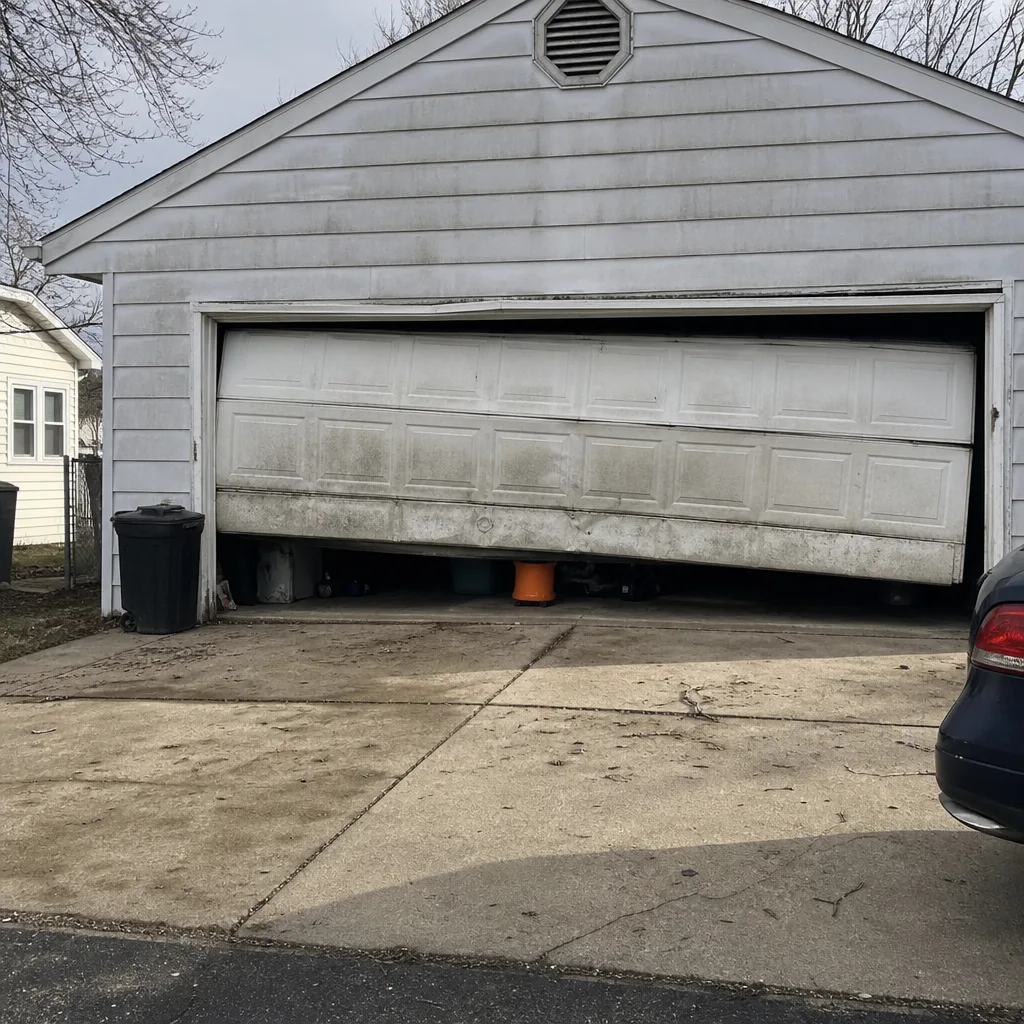 Before
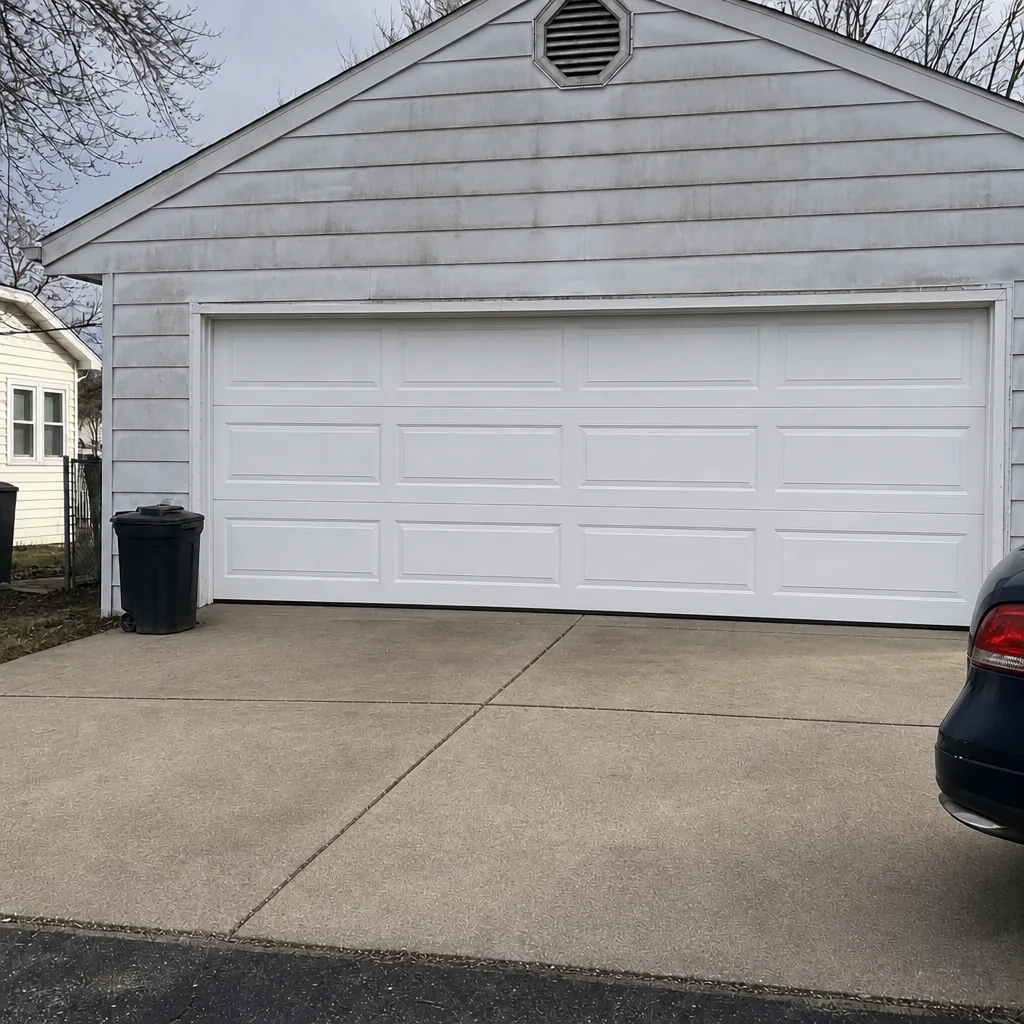 After
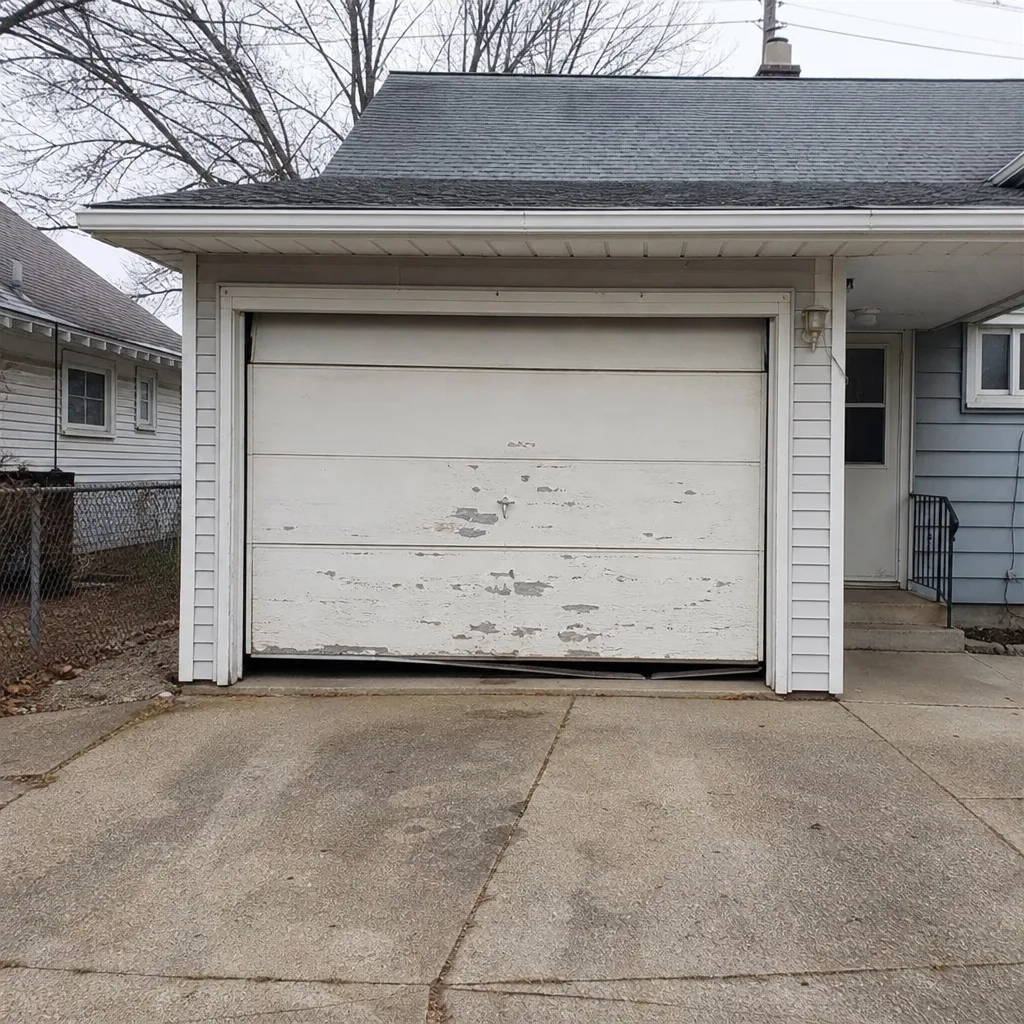 Before
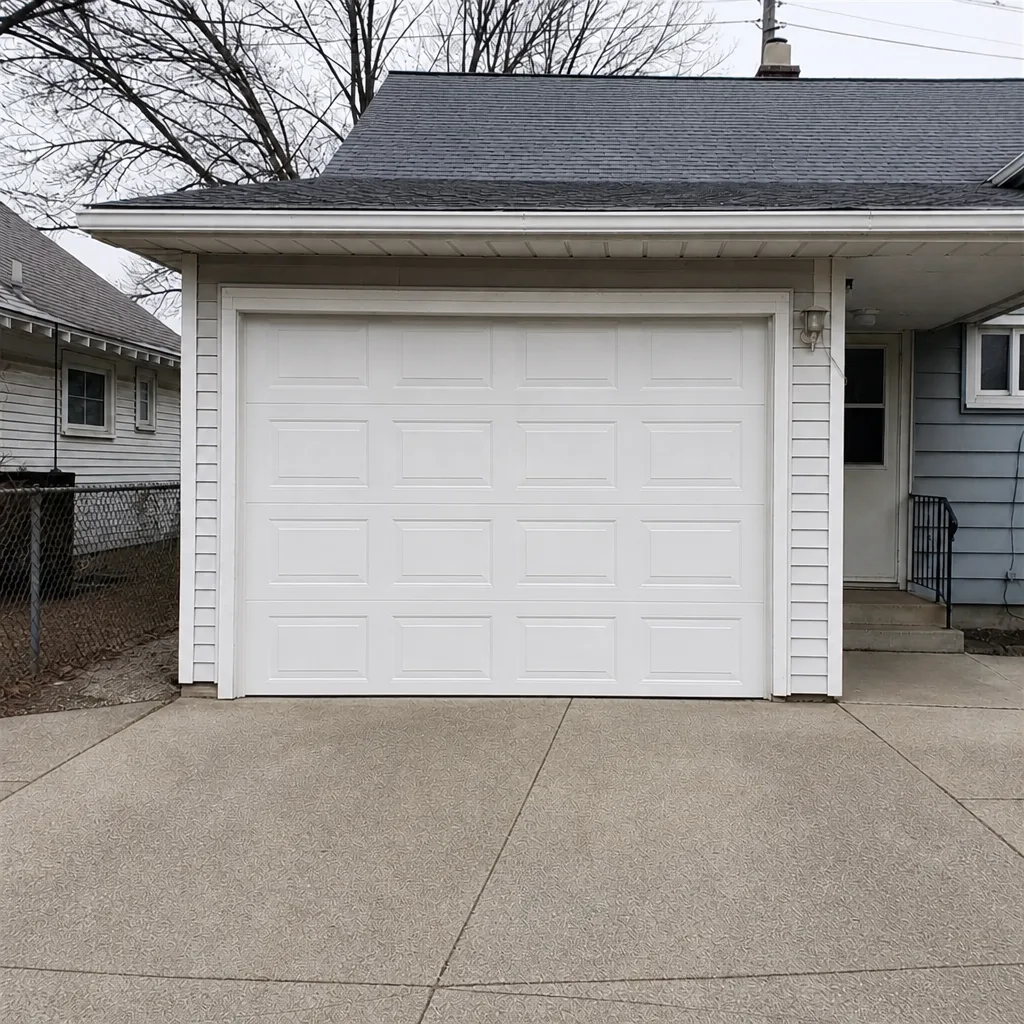 After
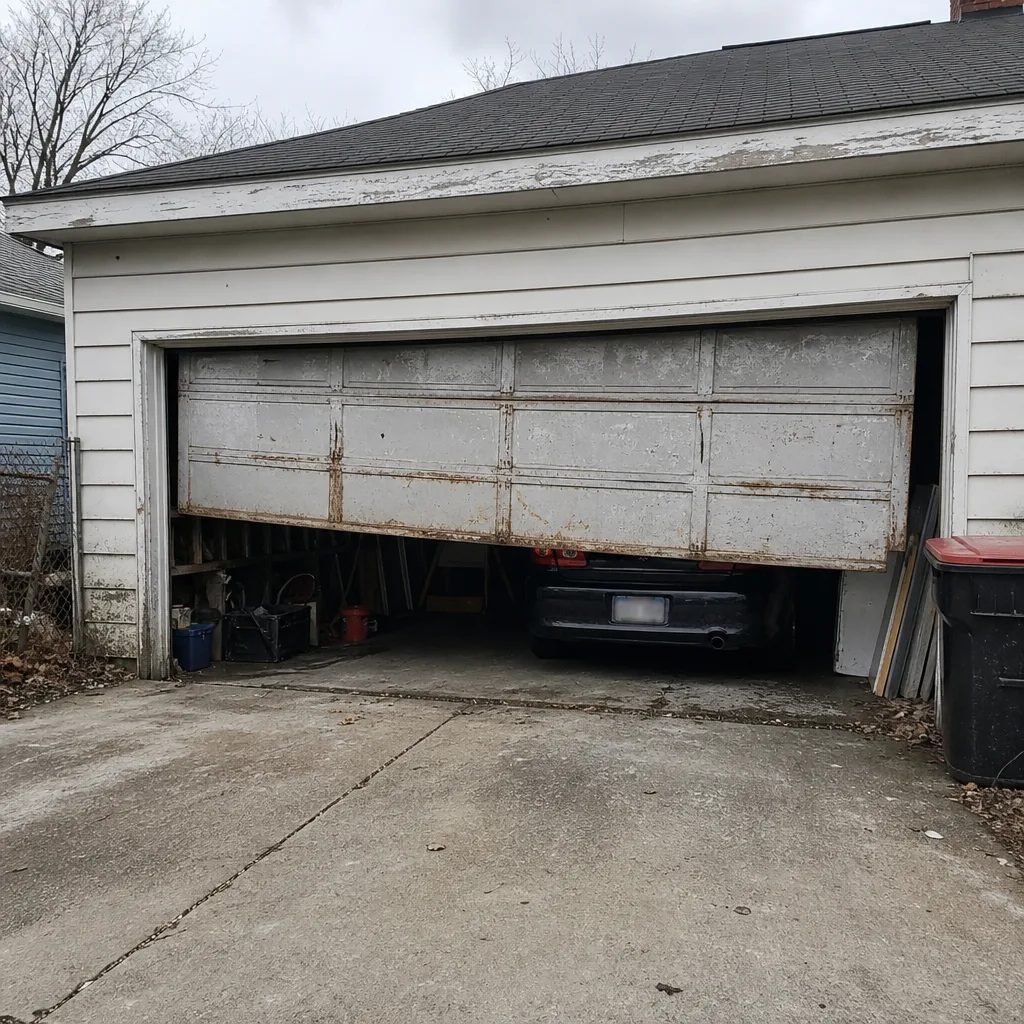 Before
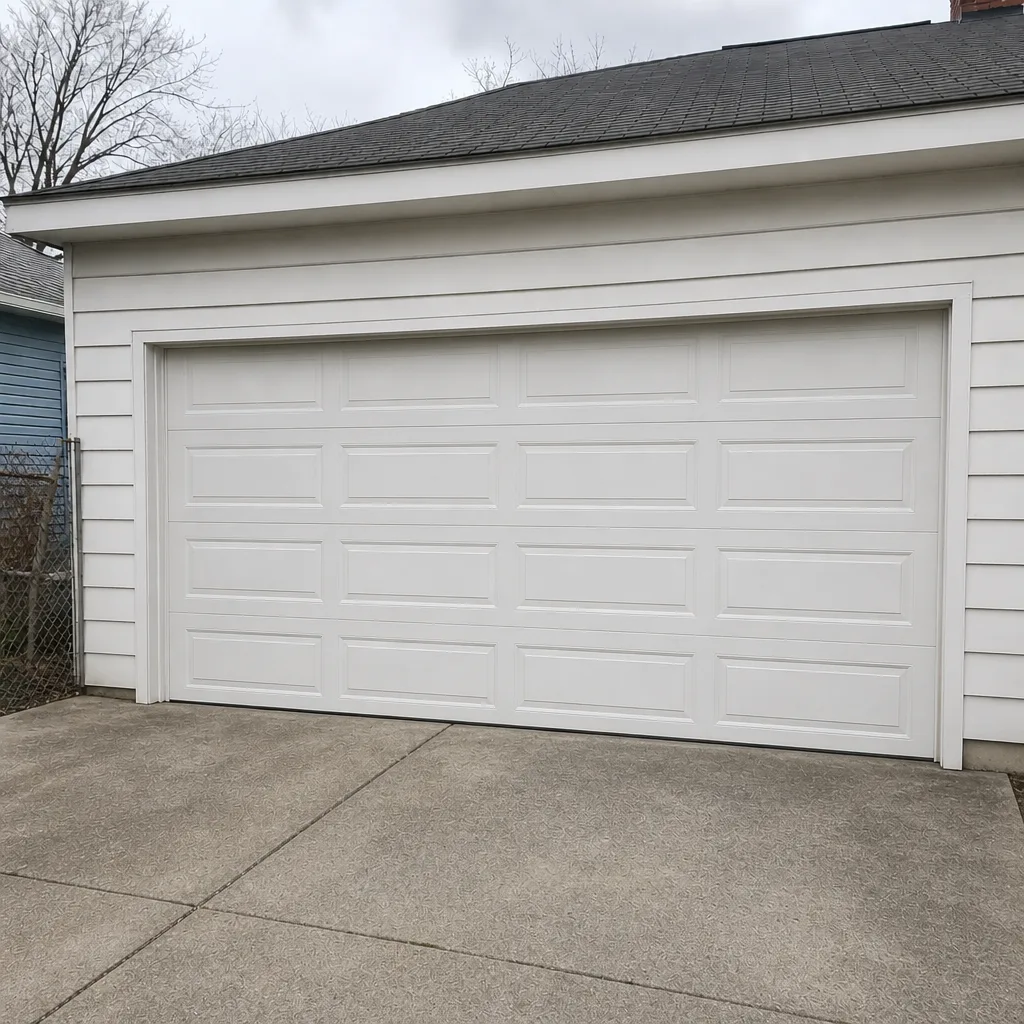 After
When to Call a Professional
Some garage door work is a straightforward swap you could manage with a phone call and a plan. Some of it isn’t. Call a professional when the opening size is changing, when the header looks soft or the jamb is out of square, when the work involves new electrical in the garage, or when the door between the garage and living space is being replaced. Call also if your home inspection flagged a garage door issue and you’re not sure what needs correcting. And always call when springs or cables are involved. Torsion springs and the cables under them store enough energy to cause serious injury, and the work requires specific tools and training. We don’t walk anyone through that work over the phone, and no responsible technician would. When repair is the right path, our garage door repair team can assess the installation and let you know what needs to be brought into compliance. Harmon Garage Door Repair offers free estimates in South Bend. Call (844) 834-4569. We answer 24/7. Fast dispatch from 7am to 7pm, Sunday through Friday, closed Saturday. The written estimate sets the price, and we quote before any work starts.
Frequently Asked Questions
Usually not, if the replacement goes into the same opening with the same size door and no new electrical work. A permit is typically required when the opening is altered, the header is changed, a new electrical circuit is added for the opener, or a new garage is being built. Confirm the specific scope with the South Bend building department before the work starts, and call (844) 834-4569 if you’d like to talk through whether your project is likely to need one.
The homeowner is responsible for the permit, even when a licensed contractor files it. The contractor can pull the permit, but the obligation and the exposure on the property belong to the homeowner. Put the question in writing before the work starts, and if you want a second set of eyes on the scope, call (844) 834-4569 for a free estimate.
Replacing an opener on the existing circuit usually doesn’t require a permit. Adding a new circuit, new outlet, or new wiring run in the garage typically does, because that’s electrical work. Ask the city directly to be sure, and call (844) 834-4569 if you’d like us to look at the opener side before you commit.
Indiana’s adopted residential code expects that door to be fire-rated and self-closing, because it’s part of the fire separation between the attached garage and the living space. Replacing a worn garage-to-house door with a non-rated door is a common mistake and typically fails inspection. Call (844) 834-4569 if you want a free assessment of what’s there now.
The buyer’s inspector usually flags the missing permit history, and the sale often stalls until the seller either credits the buyer or gets the work brought into compliance. Disclosure obligations and lender requirements can also come into play. Sorting it before listing is much simpler than sorting it mid-closing. Call (844) 834-4569 for a free estimate on any corrective work.
Remediation is usually a matter of pulling the permit after the fact, having the work inspected, and correcting whatever the inspector flags. The corrections themselves are usually modest. The delay and the negotiation usually cost more than the corrections. Call (844) 834-4569 and we’ll walk through what needs addressing.
The Bottom Line
Garage door permits in South Bend are less about the door and more about the scope around it. Same-opening replacements usually don’t trigger a permit. Structural changes to the opening, new electrical circuits, and a new garage do. The homeowner carries the permit obligation even when a contractor files it, and that’s what tends to surface at inspection or at closing. A code-compliant install covers auto-reverse testing, secure anchorage, header condition, the fire-rated door between garage and living space, and a proper perimeter seal. None of that is hard when it’s planned for. It’s the skip that gets expensive. Our technicians have up to 15 years of experience, and we work with the brand you already have. For the paperwork and the work behind it, call (844) 834-4569 for a free estimate. We answer 24/7. Fast dispatch from 7am to 7pm, Sunday through Friday, closed Saturday. The written estimate sets the price, and it’s quoted before any work starts.
Written by the team at Harmon Garage Door Repair.