
Last updated November 15, 2026
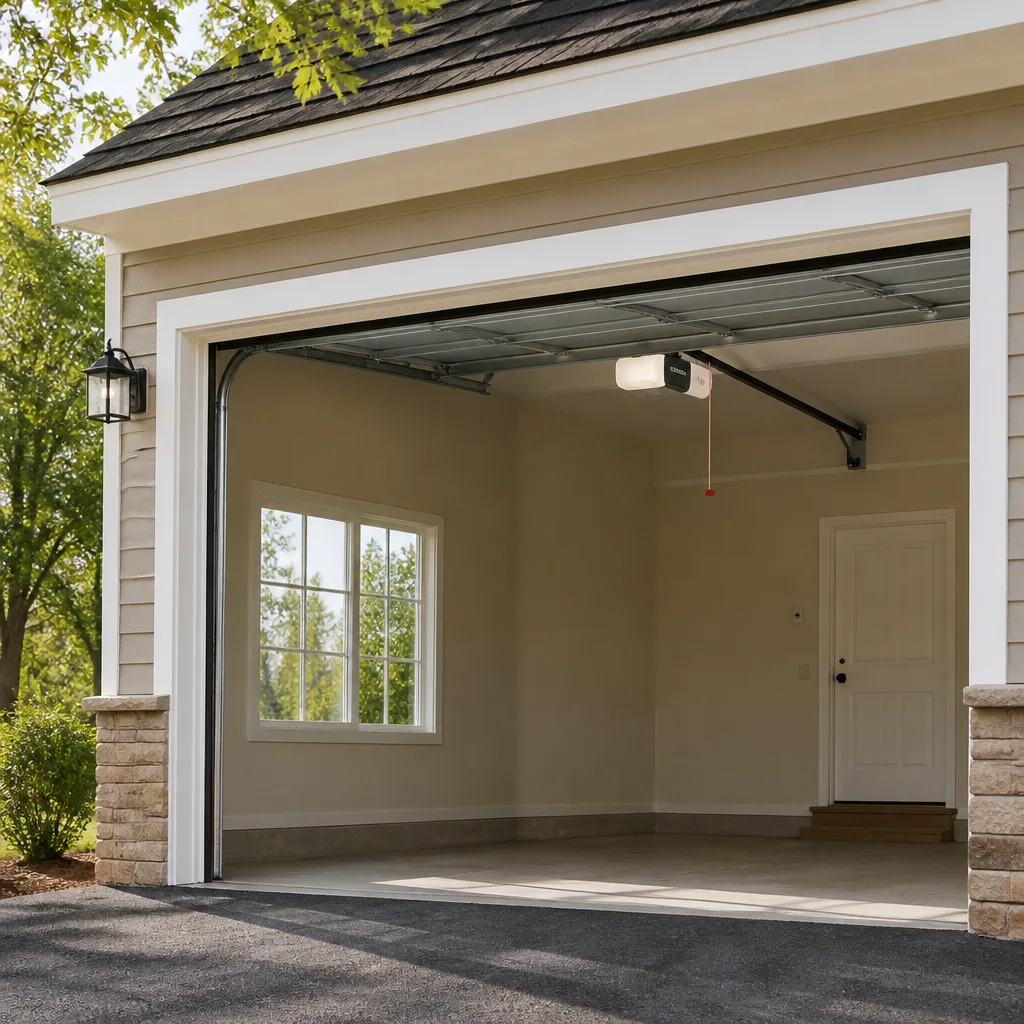
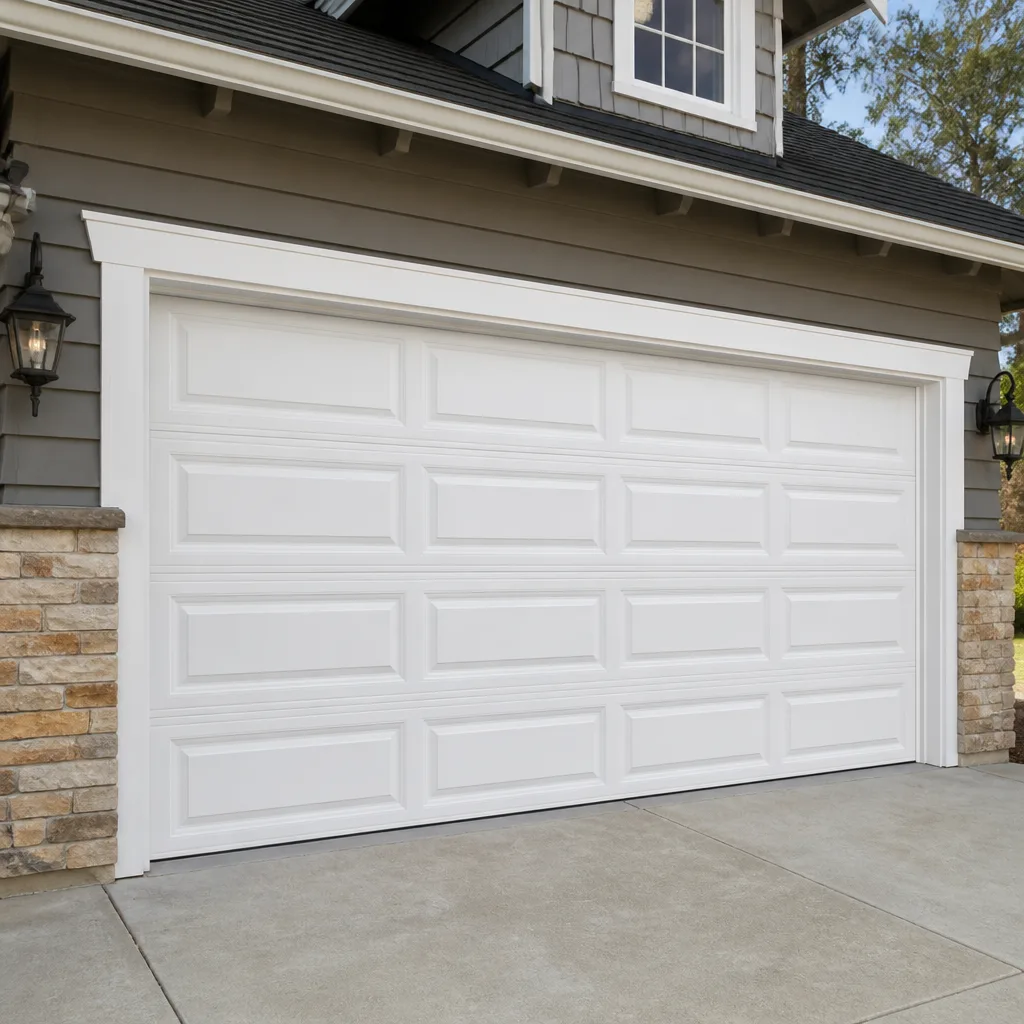 Raised-panel steel
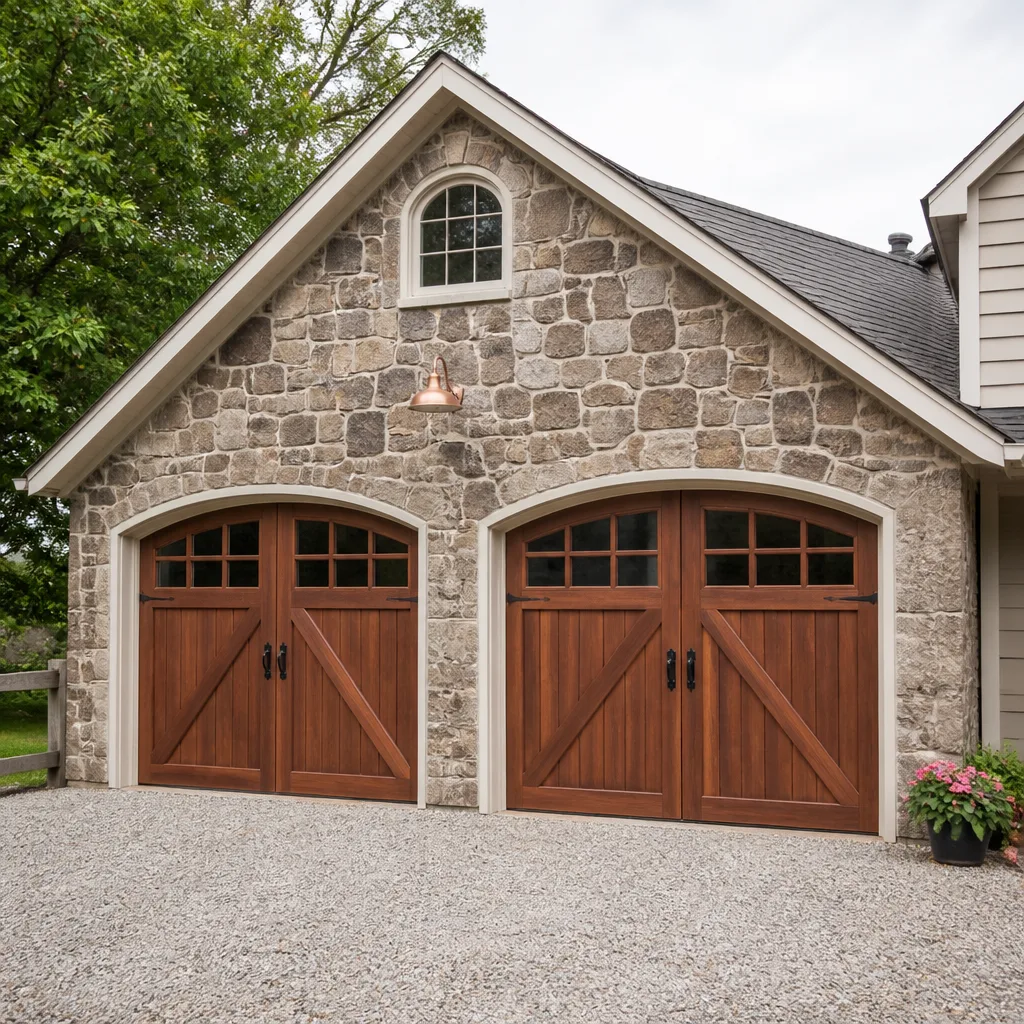 Carriage house
 Modern flush
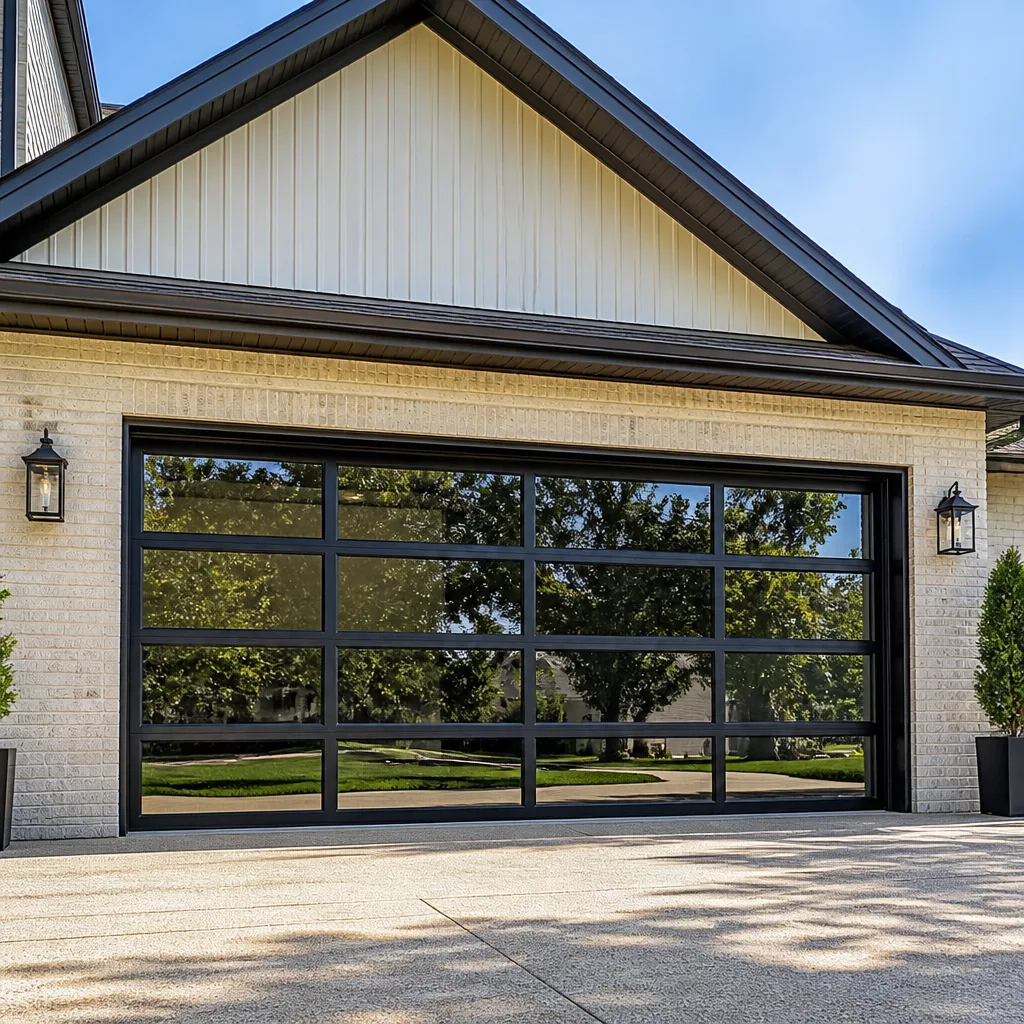 Full-view glass
 LiftMaster openers
 Chamberlain openers
Full 25-point door and opener safety check with every visit - springs, cables, rollers, tracks, and your LiftMaster or Chamberlain opener included
You get a price before we start. It does not change when the pro arrives.
Get your free estimateHow to Hire a Garage Door Contractor in South Bend: A Step-by-Step Guide
Most homeowners think the hardest part of a garage door problem is the door itself. It isn’t. The hardest part is figuring out who should touch it. A torsion spring under tension holds enough stored force that a single wrong move can break a wrist or worse, which is why the person you hire matters more than the brand on the box. In South Bend, the same search results serve up dedicated garage door specialists, general handymen who list doors among a dozen other services, and out-of-market outfits with a call center and no local accountability. This guide walks you through how to tell them apart before money changes hands, from the first phone call to reading the final estimate line by line.
Quick Answer
To hire a garage door contractor in South Bend, verify they specialize in garage doors rather than treating them as a side service, confirm they carry general liability insurance and workers’ compensation, ask which brands they actually service, and insist on an on-site inspection before any quote is given. A legitimate South Bend garage door contractor will answer all four without hesitation, put the price in writing, and explain exactly what’s being replaced and why.
Styles & brands we work with
- Raised-panel steel
- Carriage house
- Modern flush
- Full-view glass
- LiftMaster openers
- Chamberlain openers
Table of Contents
- Specialist vs. Generalist: Why the Difference Matters
- Licensing, Insurance, and What Indiana Actually Requires
- Three Questions That Reveal a Contractor’s Depth
- Red Flags Specific to the South Bend Market
- How to Read a Garage Door Estimate Line by Line
- The Step-by-Step Hiring Process
- Why South Bend Weather Creates Specific Repair Patterns
- Common Mistakes to Avoid
Specialist vs. Generalist: Why the Difference Matters
A dedicated garage door company does garage doors and nothing else. A general contractor who “also does doors” splits attention across roofing, siding, remodeling, and whatever else is on the schedule that week. Both will show up at your house. Only one is likely to have the right spring on hand or know that a Wayne Dalton door from a particular era uses a proprietary torsion system that a generic replacement won’t fit.
This isn’t a knock on general contractors. It’s about parts sourcing and depth. Garage door systems involve torsion springs, extension springs, cables, drums, hinges, rollers, tracks, and the opener’s drive mechanism. Each brand has quirks. A technician who works on LiftMaster openers every week knows the logic board failures common to a specific model line. A generalist sees one opener a month and is essentially guessing.
Specialization also affects warranty and follow-through. When a generalist installs a door and something goes wrong six months later, the door isn’t their core business, so the callback may take a back seat to higher-margin work. A dedicated garage door company puts its whole reputation on that door because doors are the whole business.
- Ask what percentage of their work is garage doors. A specialist will say all or nearly all. A generalist will change the subject.
- Ask which brands they stock parts for. Depth in a handful of major brands beats vague claims of servicing “everything.”
- Ask if they handle the opener as a standalone repair. A true specialist treats opener repair as its own service line, not an add-on to a door sale.
In South Bend, this distinction plays out in real time. The city has a mix of older housing stock near the river and newer construction on the north and east sides, and the two require different approaches. Older doors often need custom-fit hardware; newer ones usually need smart-opener troubleshooting or a spring upgrade. A specialist recognizes the difference on sight. If you’re unsure where to start, our Harmon Garage Door Repair team can walk you through what a proper inspection should cover.
Licensing, Insurance, and What Indiana Actually Requires
Indiana does not issue a statewide license specifically for garage door contractors. That surprises most homeowners, and it’s exactly why you have to do your own verification. What Indiana does require is that any contractor performing work on your home carry general liability insurance, and if they have employees, workers’ compensation coverage. Those two policies are your real protection.
Here’s what to verify and how:
- Request a certificate of insurance. Ask for it before work begins, not after. The certificate should list general liability and, if applicable, workers’ compensation. Call the insurer’s number on the certificate to confirm it’s active. Contractors who “forgot to bring it” are telling you something.
- Confirm the business entity. Ask for the legal business name and check it against the Indiana Secretary of State’s business search. A legitimate operation files as an LLC, corporation, or sole proprietorship. If nothing comes up, that’s a problem.
- Ask about local permits. Most cities, including South Bend, require a permit for structural changes like replacing a header or modifying the opening. A contractor who says “we never pull permits for doors” is either wrong or cutting corners. Ask your city’s building department what applies to your job.
- Get the insurance question answered in writing. A simple email exchange confirming coverage is enough. If they won’t put it in writing, walk away.
One more note: some contractors will claim to be “licensed and bonded” without specifying what that means in Indiana. Since there’s no state garage door license, “licensed” usually refers to a local business license or a general contractor registration. That’s fine, but it doesn’t replace liability insurance. Always verify coverage directly. For repair-specific questions about how we handle this, our garage door repair page covers what to expect on the job.
Three Questions That Reveal a Contractor’s Depth
You don’t need a technical background to separate a real garage door specialist from a pretender. Ask these three questions in your first phone call. The answers will tell you everything.
Question 1: “What brand is my door, and what parts do you stock for it?”
A specialist will ask you to describe the door or send a photo, then name the brand and likely model era. They’ll tell you whether the spring is standard or proprietary. A generalist will say “we can get whatever we need” and change the subject. The specialist knows that a Raynor door and a Craftsman door from the same decade may use completely different spring systems, and the parts aren’t interchangeable.
Question 2: “How do you diagnose a door that opens halfway and stops?”
This is a classic symptom with several possible causes: a failing torsion spring, a bound track, a worn roller, or an opener logic board issue. A specialist will walk through a diagnostic sequence – checking spring tension first, then track alignment, then opener force settings. A generalist will say “sounds like the opener, we’ll replace it.” That answer costs you money and may not even fix the problem. Opener repair is a distinct skill, and a specialist treats it that way.
Question 3: “Can you quote me over the phone?”
The right answer is “no, not accurately.” Garage door pricing depends on spring size, door weight, track condition, and opener model. A phone quote is a guess dressed up as a price. A specialist will insist on an on-site visit so the estimate reflects what’s actually there. If a contractor quotes you a firm number before seeing the door, that number is either padded or it’s going to change once they arrive.
Red Flags Specific to the South Bend Market
South Bend homeowners search for garage door help and get results from a mix of local specialists, regional franchises, and lead-generation websites that route calls to whoever pays. Here’s what to watch for.
- An out-of-area phone number. A 317 or 800 number isn’t automatically bad, but it’s a signal to ask where the technician is coming from. If the answer is “we service all of northern Indiana,” ask how long the drive is and whether the person on the phone is the person who’ll be at your door.
- No verifiable physical address. A legitimate local business can give you a business address. If they only offer a PO box or refuse to share a location, you can’t verify anything about them.
- A quote given without an on-site visit. As covered above, this is the biggest single warning sign. Garage door work is not a flat-rate industry. Every door is different, and a real quote requires looking at the door, track, and opener.
- Pressure to replace when repair would do. A spring replacement is a repair. A whole-door replacement is a sales cycle. A contractor who jumps straight to replacement without discussing repair options is selling, not diagnosing.
- No brand knowledge. If you say “I have a LiftMaster opener” and they respond with “we can work on anything,” that’s not confidence – it’s a lack of specialization. A specialist knows which brands they’re strongest on and will say so.
- Cash-only payment. Not automatically a red flag for every business, but for a job involving springs and openers, you want a paper trail. Insist on a written invoice regardless of payment method.
We’ve seen these patterns across South Bend, from the neighborhoods near Notre Dame to the older homes closer to downtown. The common thread is always the same: the contractor with the least verifiable information is usually the one who’s least accountable when something goes wrong.
How to Read a Garage Door Estimate Line by Line
An honest estimate lists parts and labor separately and tells you exactly what’s being replaced. A padded estimate hides the real cost in vague line items. Here’s what to look for.
What Should Be Itemized
- Springs: Type (torsion or extension), size, and quantity. A matched pair should be listed as two springs. A single spring replaced alone is sometimes acceptable but often a short-term fix.
- Cables and drums: Cables wear alongside springs and should be inspected at the same time. If the estimate replaces springs but not cables, ask why.
- Rollers and hinges: If the door is noisy or binding, these need to be listed.
- Opener (if applicable): Brand and model number, plus any wiring or safety sensor work.
- Labor: Broken out as a separate line, not bundled into the parts pricing.
- Disposal: Mentioned if the old door or parts are being hauled away.
What Vague Line Items Signal
Watch for phrases like “general repair,” “door adjustment,” or a single lump-sum figure with no breakdown. These can hide padding or indicate the contractor doesn’t actually know what’s wrong yet. A specialist will tell you “your left torsion spring is broken, the right one is the same age and likely to fail, and here’s what replacing both costs” – not “we’ll fix it for a flat rate.”
Also ask whether the estimate includes a follow-up adjustment after installation. New doors settle, tracks shift, and springs need a tension check. A written estimate that accounts for that is a sign of a contractor planning for the long term.
The Step-by-Step Hiring Process
Here’s the sequence to follow, from the moment you decide to hire someone to the moment the job is done.
- Identify your door and opener brand. Look for a sticker or plate on the door and opener. This saves time and immediately tells the contractor what they’re dealing with. Common brands in South Bend homes include LiftMaster openers and Wayne Dalton and Clopay doors, but there are plenty of others.
- Call two or three contractors. Get a sense of how they answer the phone. Do they ask questions? Do they offer to come out? Do they sound like they’ve heard your problem before? The phone call is a screening tool.
- Book an on-site inspection. This is non-negotiable. A real estimate happens at your door, not over the phone.
- Ask each contractor the three questions from the previous section. Compare the answers. The specialist will stand out.
- Request the written estimate. Review it line by line. Ask about anything vague.
- Verify insurance. Before signing anything, request the certificate and make one call to the insurer.
- Confirm the repair plan in writing. What’s being replaced, what’s being inspected, and what happens if something unexpected turns up mid-job. A good contractor builds that into the quote.
If you’re looking for a starting point, our garage door opener repair page explains how we diagnose motorized systems specifically, which is often where the confusion starts. Many homeowners assume the door is broken when the opener is the actual problem, or vice versa.
Why South Bend Weather Creates Specific Repair Patterns
Garage doors in South Bend take a beating that homeowners in milder climates don’t experience. The region’s freeze-thaw cycles are the main culprit. Each winter, temperatures swing above and below freezing repeatedly, and that affects garage door hardware in predictable ways.
Metal tracks expand and contract with temperature changes. Wooden door panels absorb moisture and warp. Springs, which are under constant tension, fatigue faster when the door is operated in cold conditions. And the salt-and-sand mix that goes down on roads and driveways in winter works its way into rollers and hinges, accelerating wear.
- Spring fatigue is more common here because of the temperature swing the spring endures over a season. A spring that would last years in a stable climate may fail sooner in South Bend.
- Track misalignment shows up in spring as the ground heaves. If your door starts rubbing or sticking, the track may have shifted.
- Panel warping affects wooden doors more than steel or aluminum, and South Bend’s humid summers plus cold winters are hard on wood.
- Opener strain increases in winter when a stiff door needs more force to move. That added strain can shorten opener life.
None of this is a reason to panic. It’s a reason to have a specialist look at the door, not a generalist. A technician who works in South Bend year-round knows what a winter-stressed spring looks like and can tell you whether you’re due for a replacement before it fails.
Common Mistakes to Avoid
- Hiring on price alone. The lowest quote often comes from the contractor least likely to do the job right. A cheap spring replacement that fails in a year costs more than a properly sized one.
- Accepting a phone quote as final. A firm number given before an on-site visit is either padded or it will change. Insist on an inspection first.
- Ignoring the opener. Homeowners often assume the door is the problem when the opener’s logic board or force settings are the real issue. A specialist checks both.
- Skipping the insurance check. Indiana has no state garage door license, which means insurance is your main protection. Don’t take a verbal assurance as proof.
- Replacing a door when repair would do. Springs, cables, rollers, and hinges are all serviceable components. A whole-door replacement should be a last resort, not a first offer.
- Not asking about brand compatibility. If your door is a Raynor or a Wayne Dalton, ask specifically whether the contractor works on that brand. Some don’t, and they won’t tell you until they’re in your driveway.
- Letting a generalist experiment on a torsion spring. Torsion systems under tension are among the most dangerous components in home repair. A mistake can cause serious injury. This is not a job for a handyman who “thinks he can figure it out.”
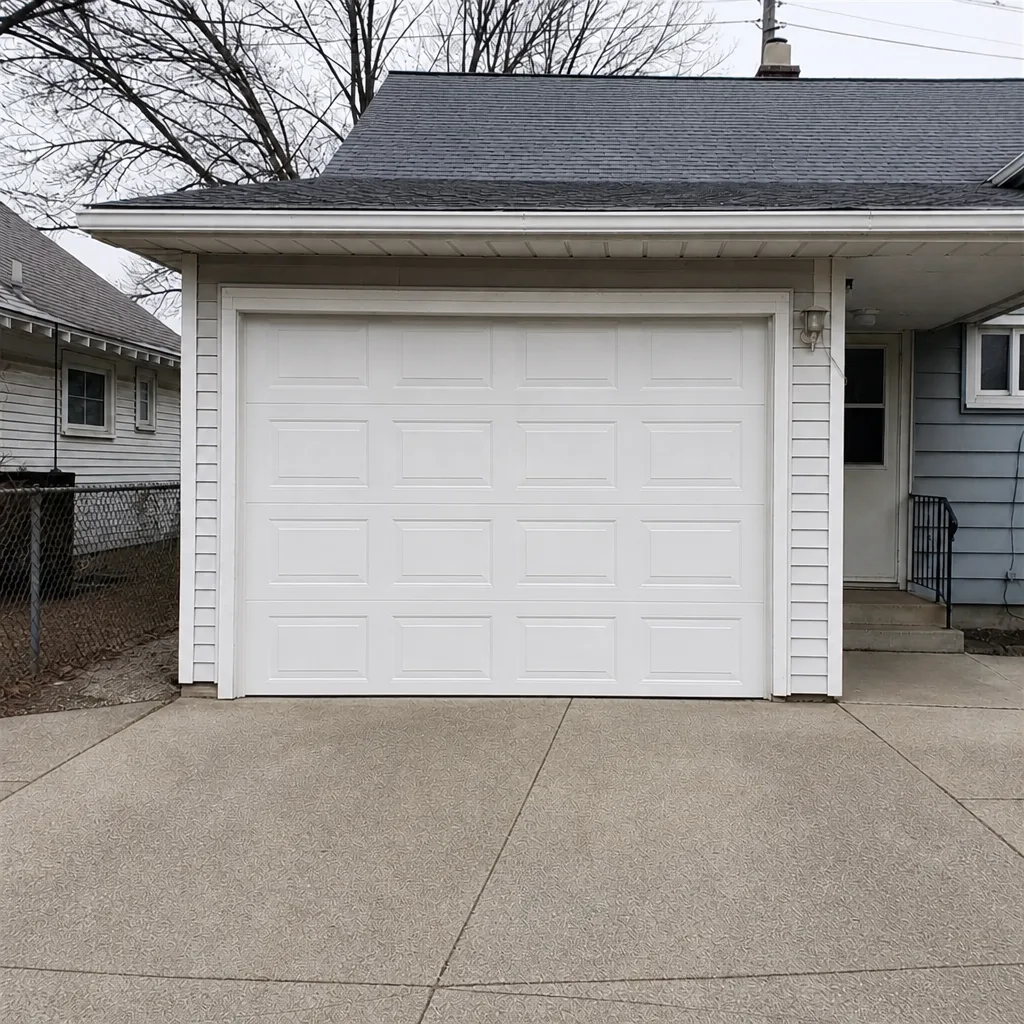
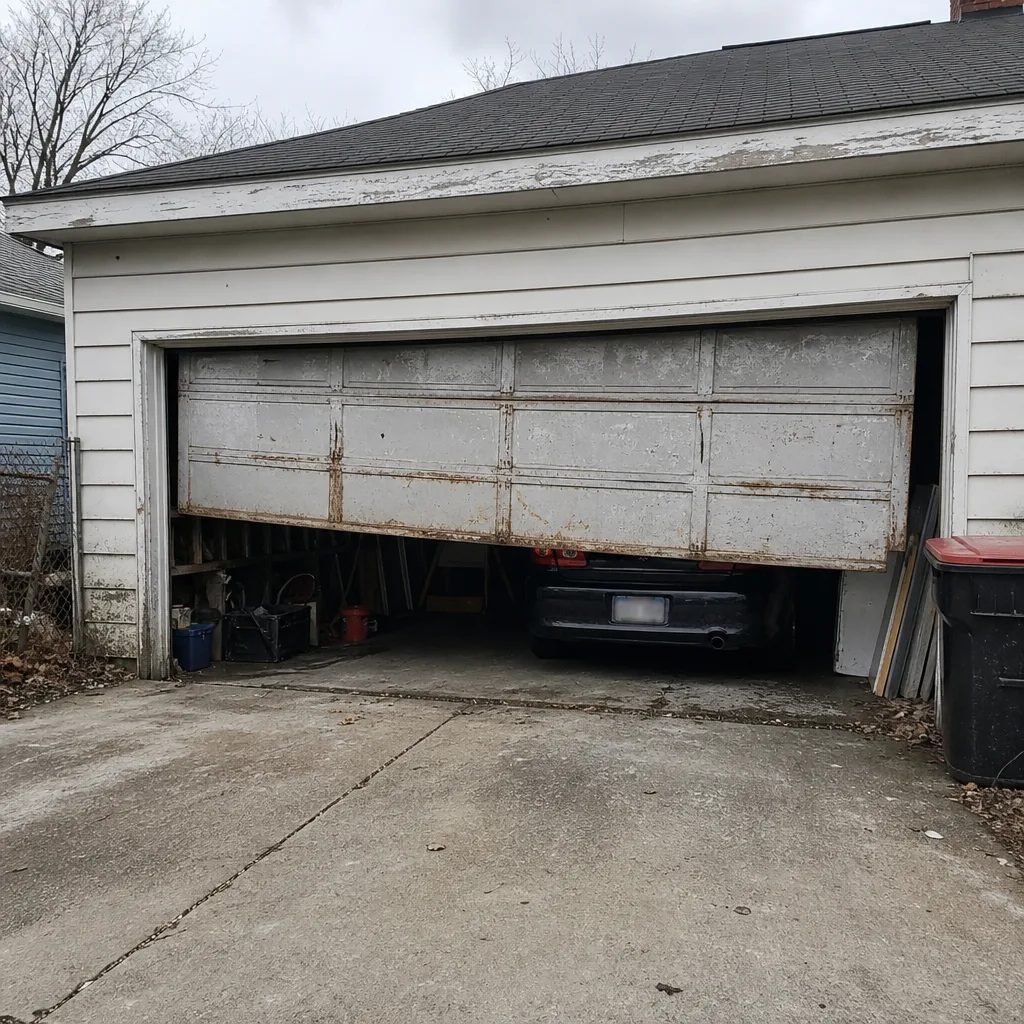
See the difference
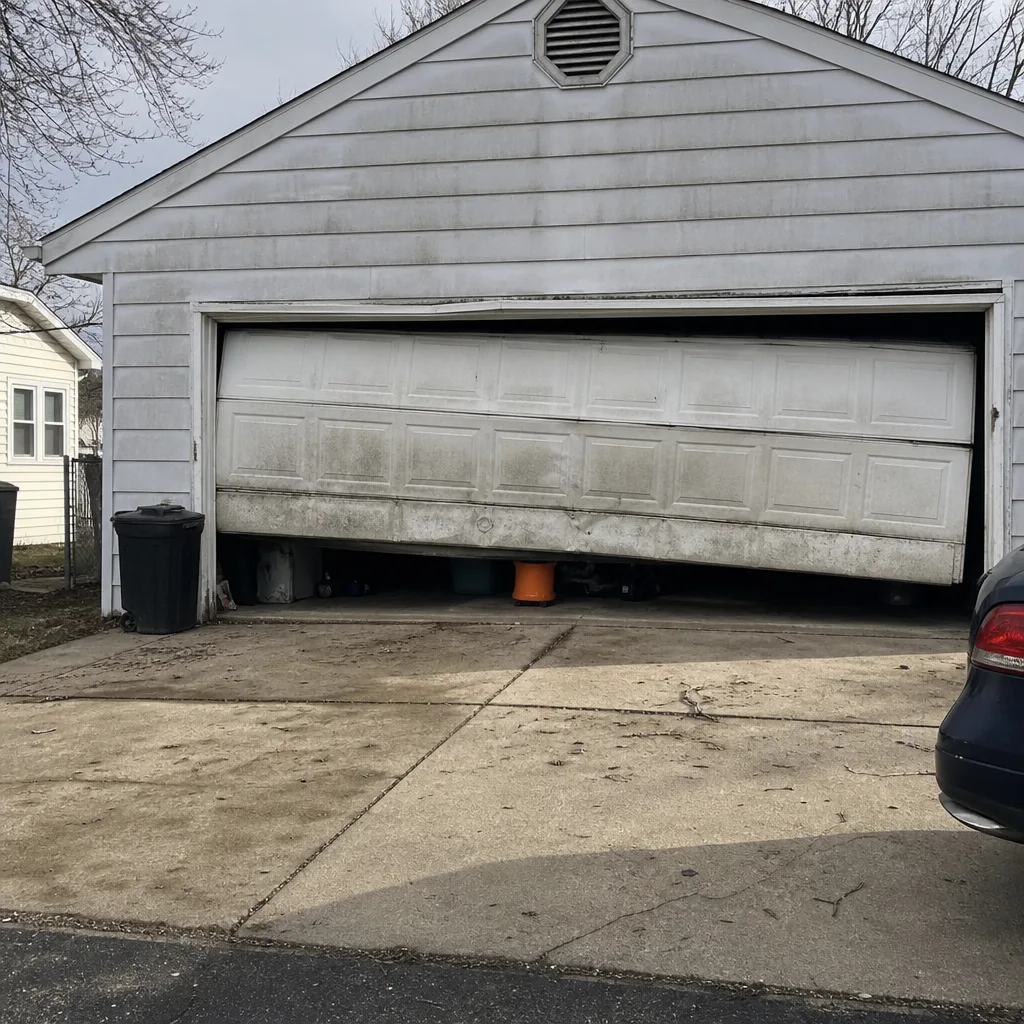 Before
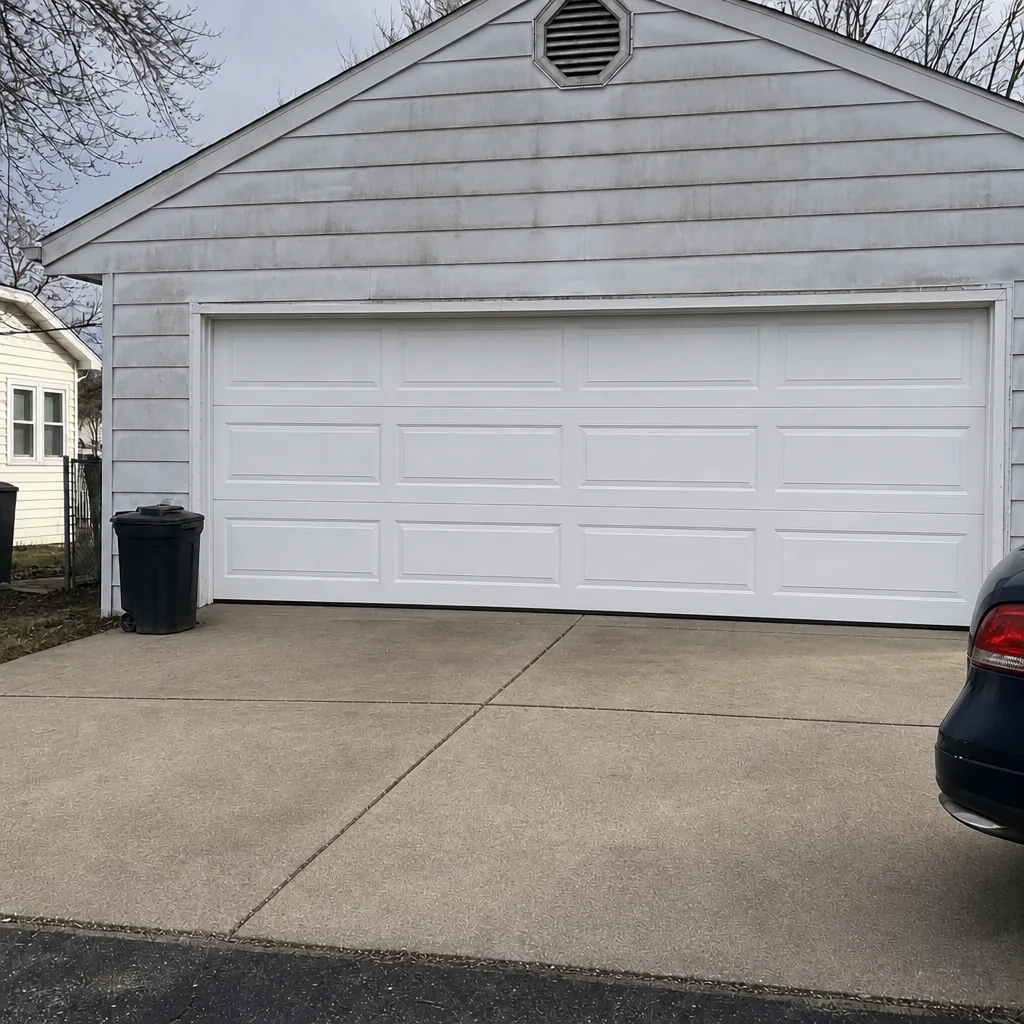 After
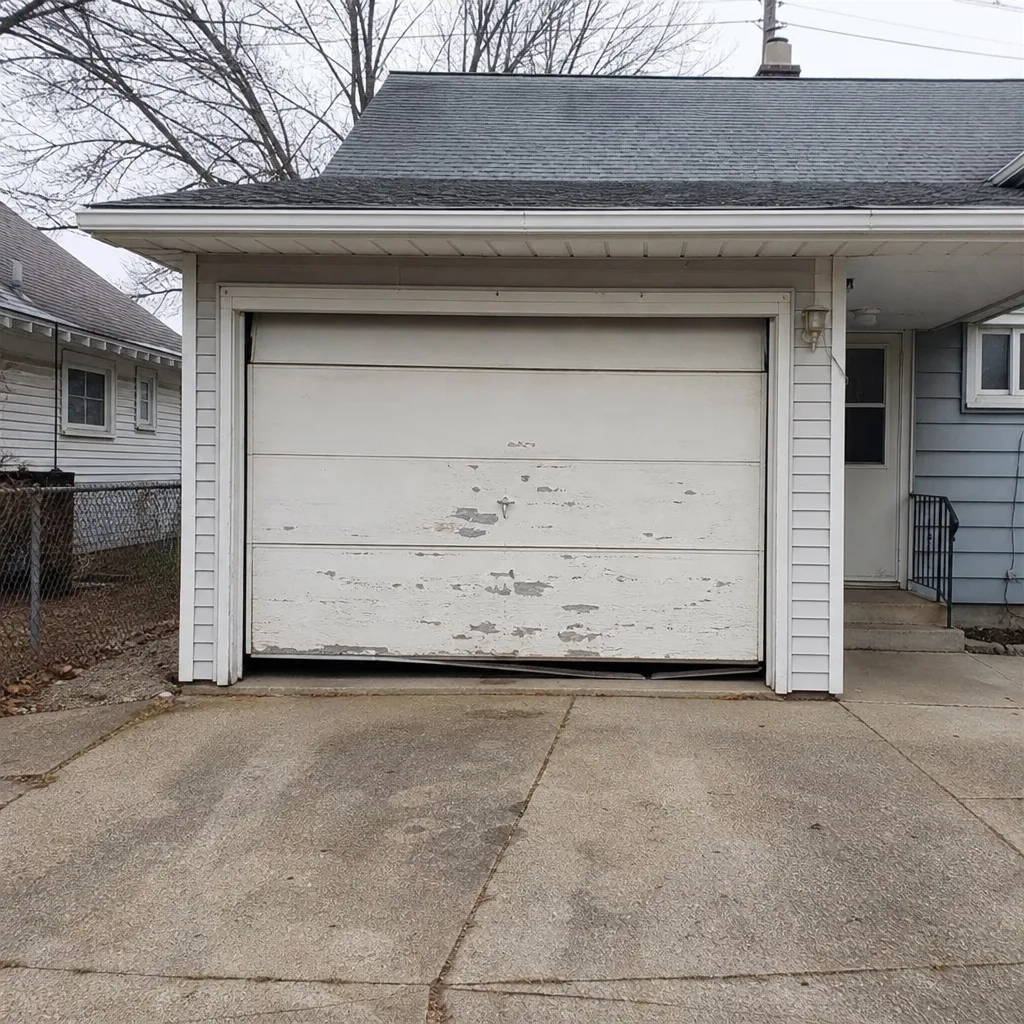 Before
 After
 Before
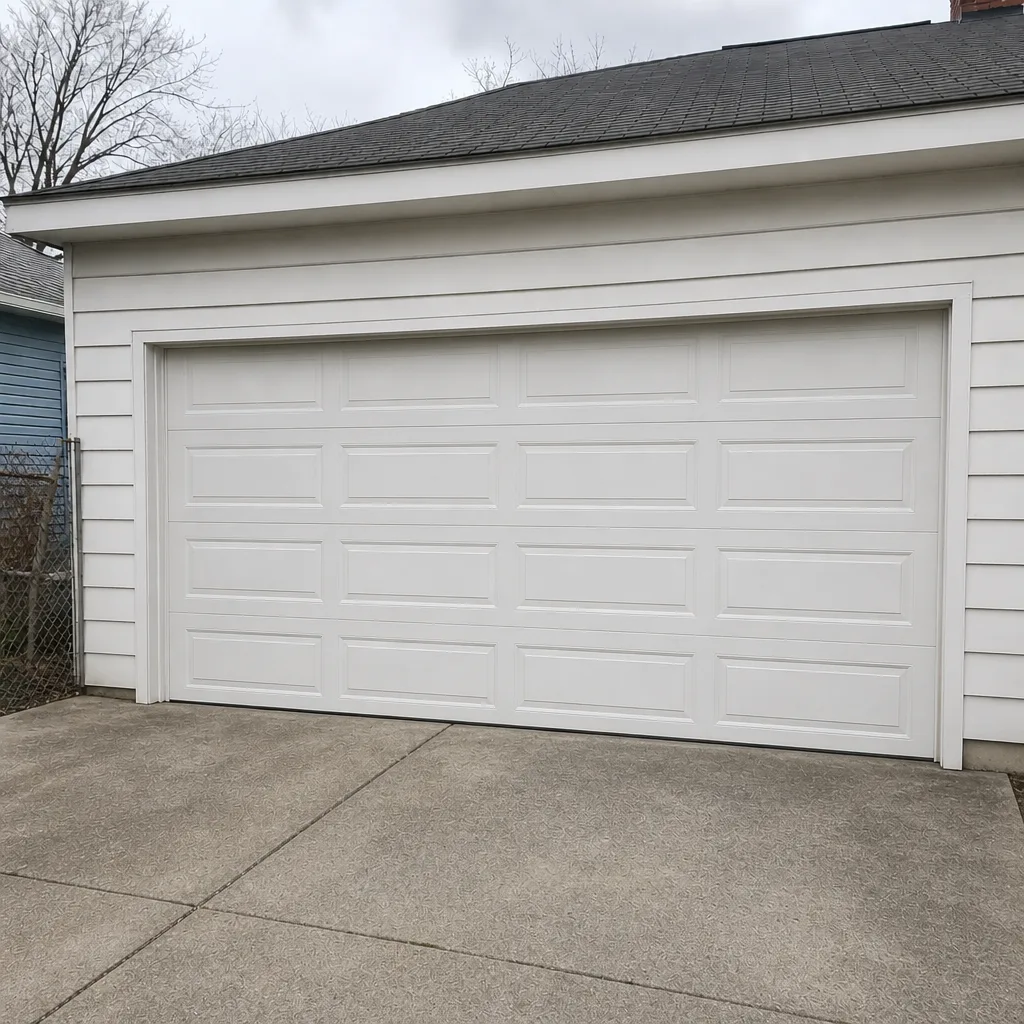 After
When to Call a Professional
Some garage door issues are safe to observe and wait on. Others need a professional immediately. Call a specialist if the door won’t open or close, if you hear a loud snap from the spring area, if the door hangs unevenly or comes off the track, or if the opener runs but the door doesn’t move. Also call if you see frayed cables or a spring with a visible gap. These are all signs of a system under failure, and the risk of serious injury is real if anyone tries to adjust it without training. Harmon Garage Door Repair offers free estimates in South Bend – call (844) 834-4569. We answer 24/7. Fast dispatch from 7am to 7pm, Sunday through Friday.
Frequently Asked Questions
Verify three things: the business entity through the Indiana Secretary of State, a current certificate of general liability insurance by calling the insurer directly, and a verifiable business address. A legitimate contractor will provide all three without resistance. If any of them is missing or delayed, that’s your answer.
No. Indiana does not issue a statewide license specifically for garage door contractors. What matters is general liability insurance and, if the contractor has employees, workers’ compensation coverage. Ask for the certificate before work begins and confirm it with the insurer. Call (844) 834-4569 for a free estimate.
You can get a ballpark, but not a firm quote. Garage door pricing depends on spring size, door weight, track condition, and opener model. A contractor who gives a firm number before seeing the door is guessing. Insist on an on-site inspection so the estimate reflects what’s actually there.
A specialist should be familiar with the major brands installed in the area, including LiftMaster, Chamberlain, Genie, Clopay, Amarr, Wayne Dalton, Craftsman, and Raynor. Ask which brands they stock parts for and whether they can service your specific door and opener. A contractor who “works on anything” without specifics is less likely to have the right parts.
Most single-spring replacements are done within a couple of hours once the technician is on site. A matched pair takes a bit longer. The exact time depends on the door, the spring type, and whether cables or other components need attention at the same time. Ask for a time estimate when you book the appointment.
Repair is usually the right call unless the door has structural damage, widespread panel warping, or is well past its expected service life. Springs, cables, rollers, and hinges are all replaceable components. A specialist will tell you which category your door falls into after an on-site inspection. Call (844) 834-4569 for a free estimate in South Bend.
The Bottom Line
Hiring a garage door contractor in South Bend comes down to verification. Confirm the contractor specializes in doors, check insurance directly, ask the three depth questions, insist on an on-site inspection before any quote, and read the estimate line by line. The right contractor will welcome all of it. The wrong one will resist, and that resistance is the most useful information you’ll get. Our technicians have up to 15 years of experience with the brands you already own, and we quote every job in writing before work starts. Call (844) 834-4569 for a free estimate.
Written by the team at Harmon Garage Door Repair.